Vegetarian Foods That Have Been Around Longer Than You Think
Being a vegetarian or vegan is not a new thing. People have been choosing not to eat meat and other animal products all over the world for thousands of years. Despite this, some people still like to talk about a meat free diet as if it is a modern trend – a flash in the pan that will surely go away again in the future. We’ve written a guide to some of the oldest vegetarian and vegan foods, to show that not eating animals isn’t new – and it isn’t going anywhere.
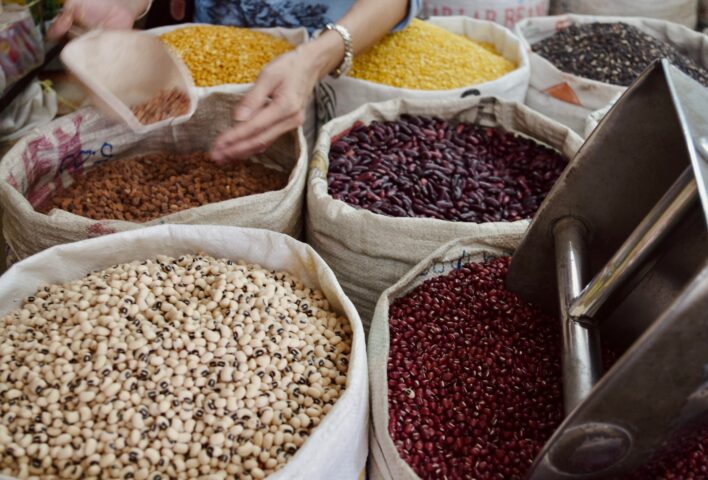
Vegetarian diets are nothing new
Large populations in India have traditionally followed vegetarian diets for religious and cultural reasons.
Buddhist communities throughout Asia have long relied on plant-based foods.
Multiple Ancient Greek philosophers like Pythagoras and the followers of Platonism argued for abstinence from eating meat.
Leonardo da Vinci seems to have been a vegetarian for moral reasons – along with a broader trend of renaissance intellectuals avoiding animal products.
Ancient meat-free proteins
When people think about ‘new’ vegetarian foods, they often think about plant-based proteins. However, these are not new by any means. Plant-based proteins have been used across Asia for thousands of years – often eaten more commonly than meat-based proteins.
- Tofu originated in China over 2,000 years ago.
- Tempeh has been produced in Indonesia for centuries.
- Lentils, chickpeas and beans have been staple protein sources since ancient civilisations.
Historic vegetarian dishes still eaten today
Many of the world’s most popular foods are vegetarian – and have been made this way for hundreds of years. Vegetables and pulses have made up a large proportion of most people’s diets until comparatively recently.
Falafel & Hummus (Middle East)
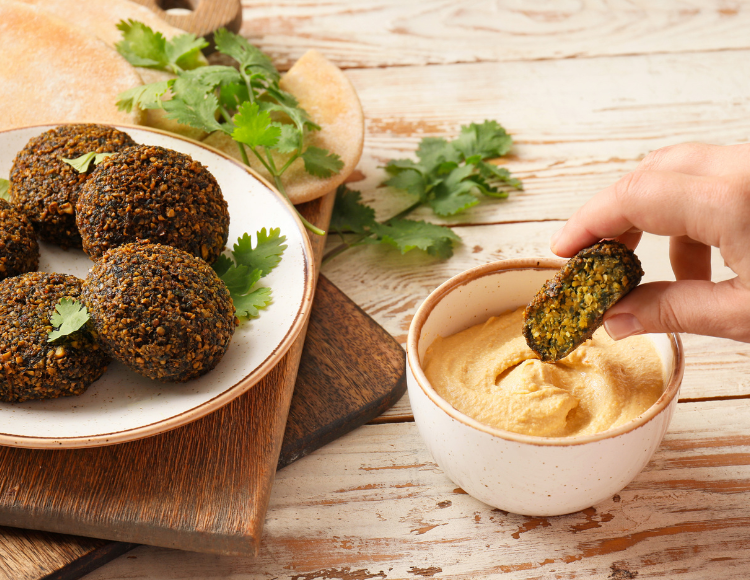
Both made often from chickpeas or fava beans, falafel and hummus are two of the most famous and beloved Middle Eastern foods. They are both vegetarian, and date back to at least the Middle Ages – although are likely much older.
Dal (India)
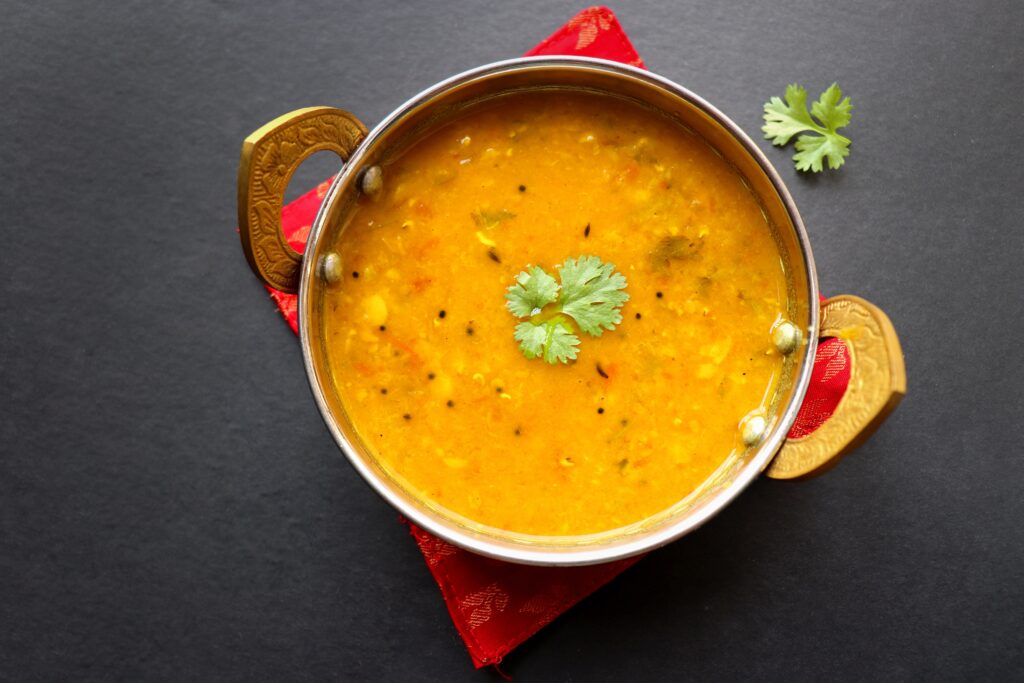
Dal means a variety of dried, split pulses (e.g., lentils, peas, and beans), cooked in water and spices. They serve as a staple food for hundreds of millions of people worldwide, but especially in South Asia – India, Pakistan, Bangladesh and others. Dal is nutritious, filling and delicious; and more importantly, an ancient vegetarian food still eaten all over the world today.
Minestrone (Italy)
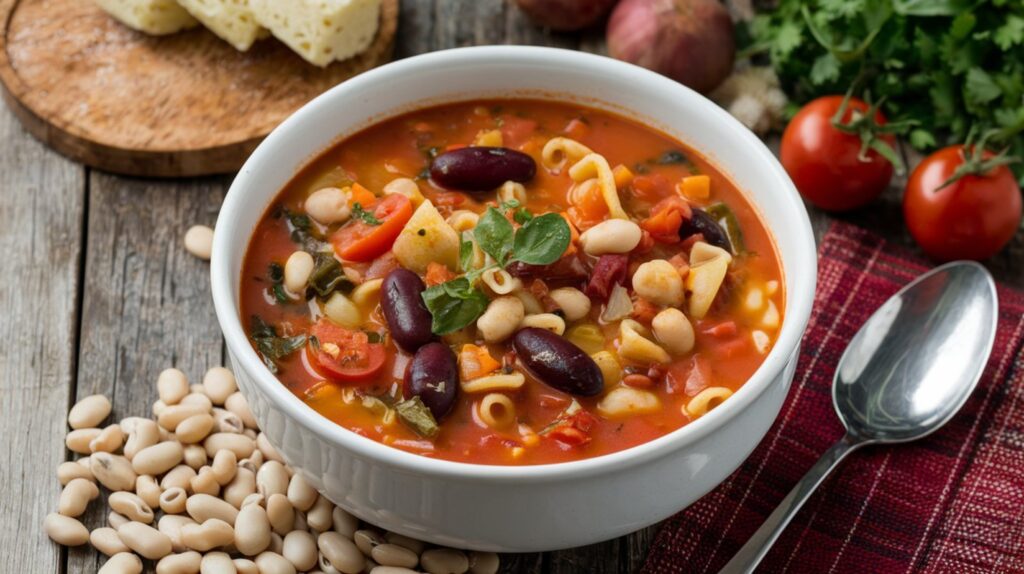
When people think about Italian food, they often think pizzas and pastas. However, these are actually more recent inventions than you might think – and were not staple foods all over Italy until after the second world war. Minestrone was the key element of Italian cuisine for most people across Italy until very recently. Traditionally, it includes beans, vegetables, sometimes pasta and rice – but no meat.
Ratatouille (France)
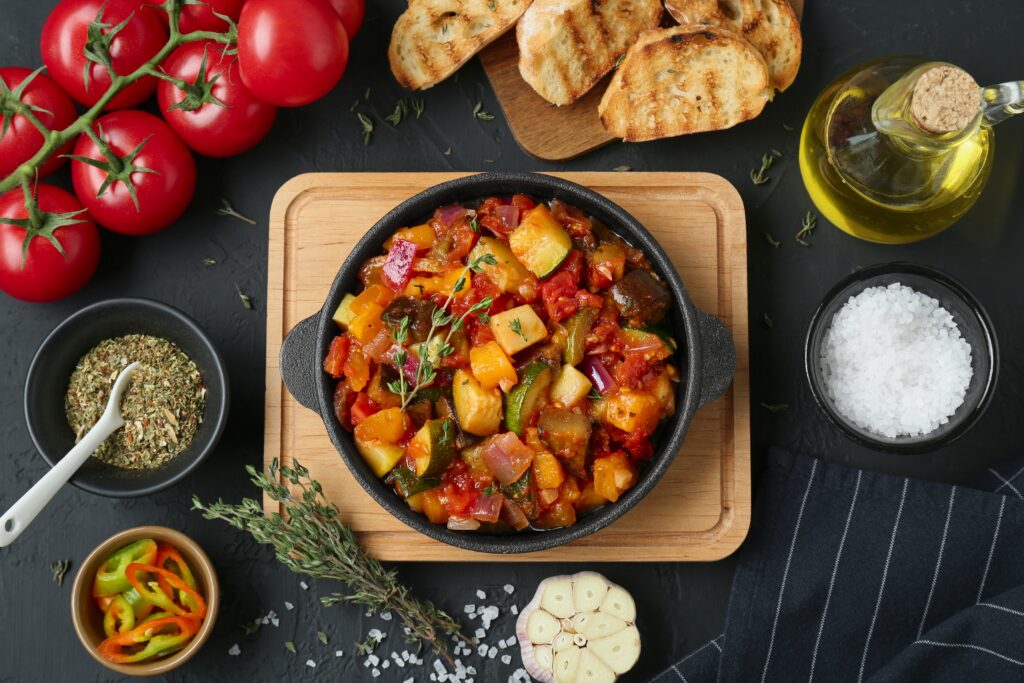
A major part of French – originally Provencal – cuisine, ratatouille is a way of using up vegetables by stewing them together in a rich sauce. It forms a key historical part of Southern French cuisine, changing over the years to include New World foods like tomatoes, but never including meat.
British examples
Historic vegetarian dishes are not restricted to other countries. Many of the oldest and most traditional British dishes are vegetarian and always have been. Medieval British cuisine was largely vegetarian for most people, and it is in this period of history that many of oldest dishes have their origins.
Pease Pudding
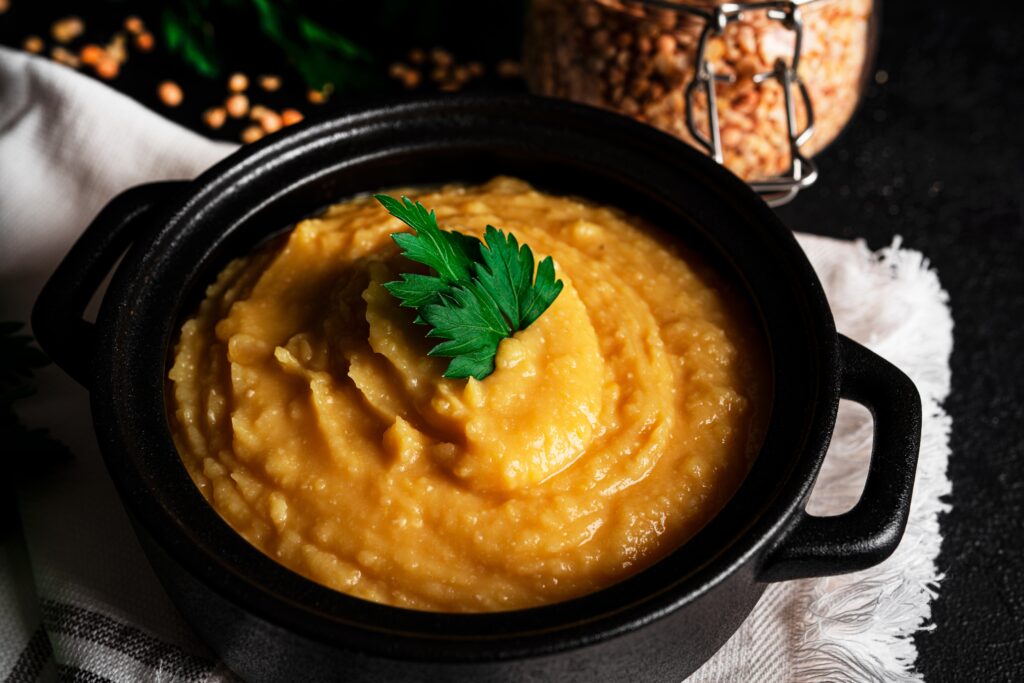
Somewhat like an un-spiced British Dal, Pease Pudding is made of split yellow peas, soaked and boiled into a thick soupy consistency. Traditionally eaten all over the country, it is now eaten most commonly in North East England. While now often eaten alongside meat, Pease Pudding itself is usually vegetarian. As a descendant of the traditional Medieval pottage (which was also almost always vegetarian), Pease Pudding is a meat-free British classic.
Cheese and Onion Pie
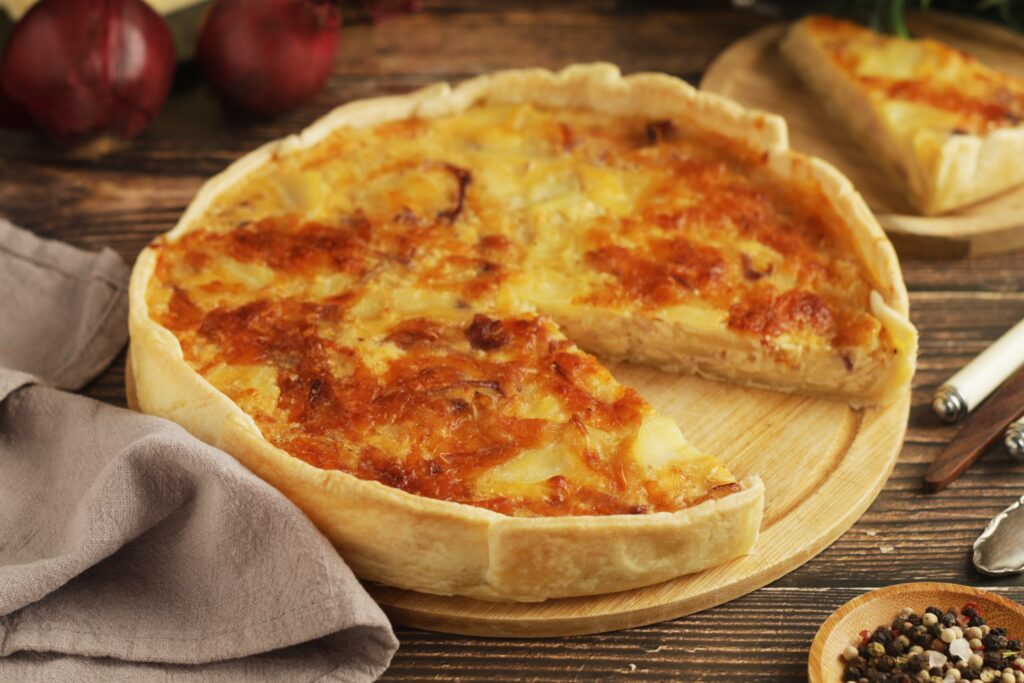
Pies have been a major part of British cuisine for centuries, but have not always been as meat focused as many people think of them being today. Cheese and Onion Pie – often found in North West England – is a traditionally working class meal, using cheese and vegetables in place of the more expensive meat. This food dates back to at least the 18th century, although similar flavour palettes, like a Glamorgan sausage, might be even older.
Bubble and Squeak
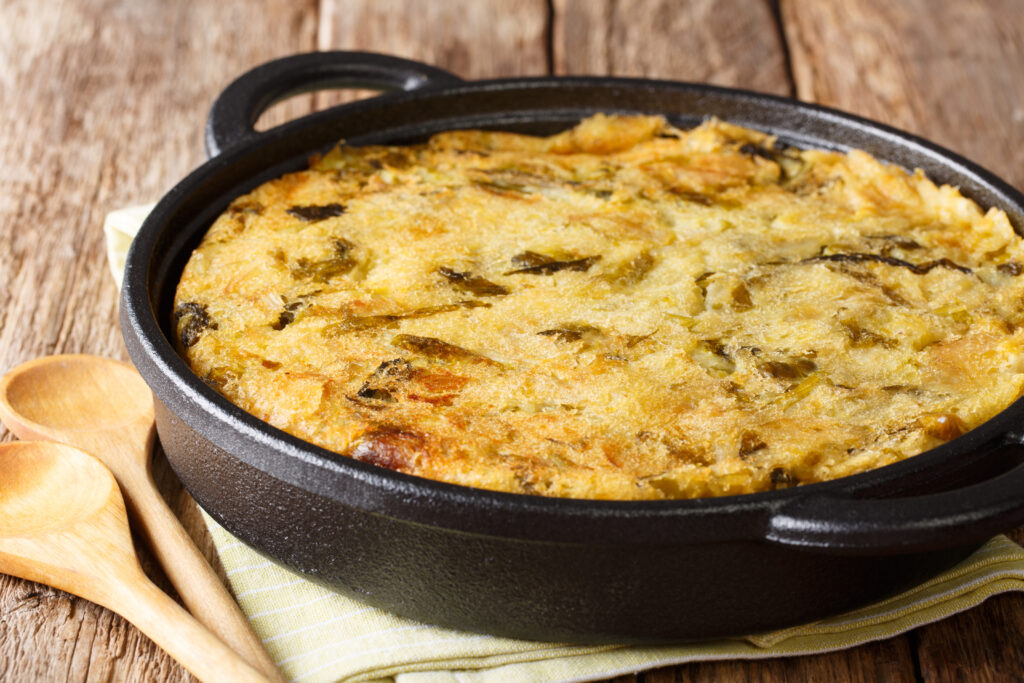
Not just a way of using up leftovers at Christmas, Bubble and Squeak is a traditional vegetarian dish from the UK. Named after the sound it makes in the pan, Bubble and Squeak has a history that dates back to at least the 18th century. It is usually made with potato and cabbage left overs. Unlike several of the foods on this list, Bubble and Squeak was often made with meat earlier in its history, and became vegetarian later on.
Vegetarian Food in the Past and the Future
Vegetarian food can be traditional, but does not need to be stuck in the past. Rather, it is part of the same trends and changes in culture that other foods go through – an essential part of the past and the present.
Vegetarian eating isn’t a modern trend—it’s deeply rooted in human history, culture and culinary traditions.
To learn more about eating vegetarian food, you can check out our guide to eating veggie.
You can find lots of inspiration in our collection of vegetarian and vegan recipes.
Lettuce Keep You in the Loop

We are a collective of determined people, connected by our shared belief in a better future for every life on earth. Keep up with our work and sign up to our newsletters...
Follow us on social