Food for Thought: Vitamin D on a vegetarian diet
By Claudine Le Gal (Registered Dietitian)
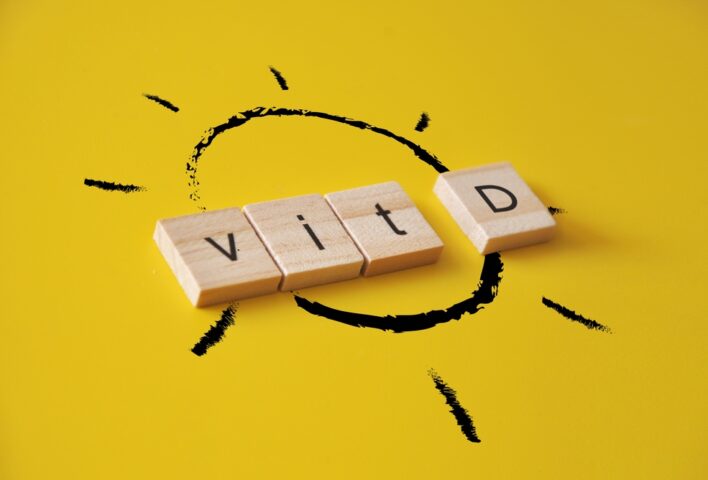
First and foremost, your best source of vitamin D won’t come from food, but from sunshine exposure. Currently, it is thought that even a well-balanced diet, vegetarian or not, will not satisfy your needs.
Although called a ‘vitamin’, vitamin D is a fat-soluble molecule with functions and impacts on your body similar to hormones. It promotes the absorption of calcium and phosphorus for healthy teeth and a healthy skeleton. It supports your immune and nervous systems, and prevents muscle mass wastage.
Our need for vitamin D varies depending on our age, skin tone and weight, as well as during pregnancy and breastfeeding, where we live, our clinical presentation and whether we take specific medications.
Daily supplementation of 10µg of vitamin D is advised during autumn and winter for everyone aged 4 years and over, and all year round for the ‘at risk’ population (consult NHS – vitamin D to find out more).
Make sure to always combine your supplement with a food containing fat to facilitate its absorption. There are several types of vitamin D, and whilst D3 is the most effective, D2 is the vegetarian/vegan alternative that can be sourced from UV-exposed mushrooms (labelled ‘high in vitamin D’ in supermarkets).
Vitamin D is toxic at certain levels, even though it is currently unclear what its toxicity threshold is. Therefore, whilst you can still eat vitamin D-rich foods, it is strongly advised that, if you are supplementing with vitamin D, you should avoid taking other supplements containing it, such as multivitamins.
Please seek medical advice if you have any concerns about your vitamin D status and how much you should supplement with.
Claudine Le Gal, Registered Dietitian
Lettuce Keep You in the Loop

We are a collective of determined people, connected by our shared belief in a better future for every life on earth. Keep up with our work and sign up to our newsletters...
Follow us on social