Is Eating More Beans Better for the Environment?
Eating meat is bad for the environment (as well as for the animals). Meat production causes around 15% of global man-made emissions. It also causes deforestation, biodiversity loss and water production. Animal agriculture is inefficient too, using around 80% of global farmland to produce only 18% of global calories. Could eating more beans not just be good for you, but actively better for the planet?
Why eat more beans?
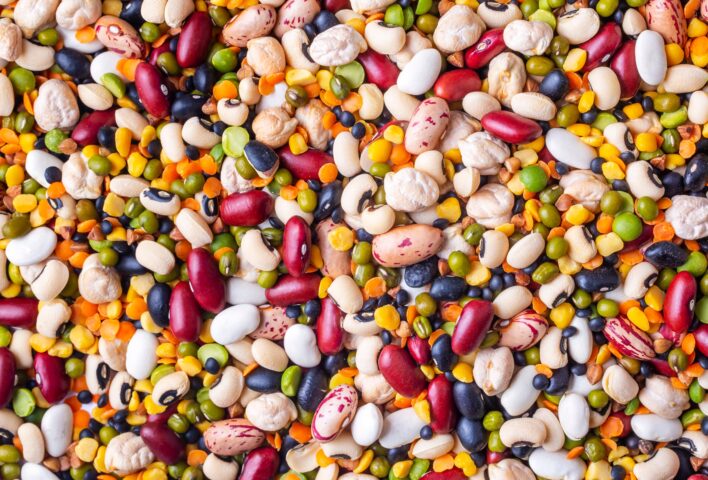
They are high in fibre and low in fat. They contain protein and a range of micronutrients, including potassium, magnesium, iron and zinc. They also don’t contain any cholesterol.
Beans are cheap
Compared to other sources of protein, beans are much more affordable. In a cost of living crisis, beans are much cheaper per gram of protein than animal based ingredients.
Beans are good for the environment
They have significantly lower greenhouse emissions than compared to animal sources of protein. They also fix nitrogen in the soil, improving soil health and not needing as much fertilizer.
environmental benefits of beans
There are many environmental benefits of beans. Beans (of all sorts) are a sustainable source of protein and fibre. They use fewer resources (particularly land and water) than livestock do – while not producing methane and other greenhouse gasses.
15% of world greenhouse gases come from animal agriculture – causing a significant effect on the climate. Beans, meanwhile, convert nitrogen in the air into a form that is usable in the soil. This reduces the need to use nitrogen based fertilisers that are made using fossil fuels. Research suggests that pulses can actually reduce the amount of nitrous oxide in the air too.
Beef cows require 20 times more land than beans (per unit of protein), as well as 6 times more water. Researchers calculated that replacing beef with beans in the United States would reduce the US’ GHG emissions by as much as 75%, as well as freeing up more than 40% of cropland.
Beans and your health
Beans aren’t just a food that’s good for the planet, however, they’re good for you too! Beans are very nutrient dense. This means they provide a range of positive nutrients in a reduced number of calories. A half-cup of black beans contains about 25% of the fibre an adult needs in a whole day. They also contain a healthy amount of protein – about 8 grams in a recommended serving. Even though they have less protein than animal sources, it is lower in saturated fat and cholesterol. Beans also contain healthy amounts of potassium – which many of us do not get enough of in our regular diets. Finally, beans are also sources of copper, iron, folic acid and vitamin b6.
Ways to use more beans
Get more beans into your diet with these delicious and varied recipes.
Stews – Beans make up a great addition to a range of stews and soups – providing texture, protein and fibre.
Houmous and Dips – Beans are usually the main component of houmous, and can also be used in a variety of dips. This might include Cannellini beans, fava beans, chickpeas and more.
Aquafaba – The liquid from beans can be used as an egg-alternative in baking, or to add creaminess to other dishes and sauces.
Smoothies – Adding cooked beans to a fruit smoothie can add protein, as well as giving it a creamier texture.
Sweets and deserts – Beans don’t just need to be savoury. Many Asian deserts, such as Mochi, contain beans as a main ingredient.
Support Bang in Some Beans
We’re proud to be supporting the ‘Bang in Some Beans’ campaign. They are working to encourage more people to use beans in their meals – for their health, the environment and their wallets. You can read more about the campaign here.
Lettuce Keep You in the Loop

We are a collective of determined people, connected by our shared belief in a better future for every life on earth. Keep up with our work and sign up to our newsletters...
Follow us on social