New research reinforces the case for the UK to replace chick culling with in-ovo sexing
New peer-reviewed research shows that in-ovo sexing is at the heart of the international debate on ending male chick culling, and that failing to adopt this technology risks the UK falling further behind other countries.
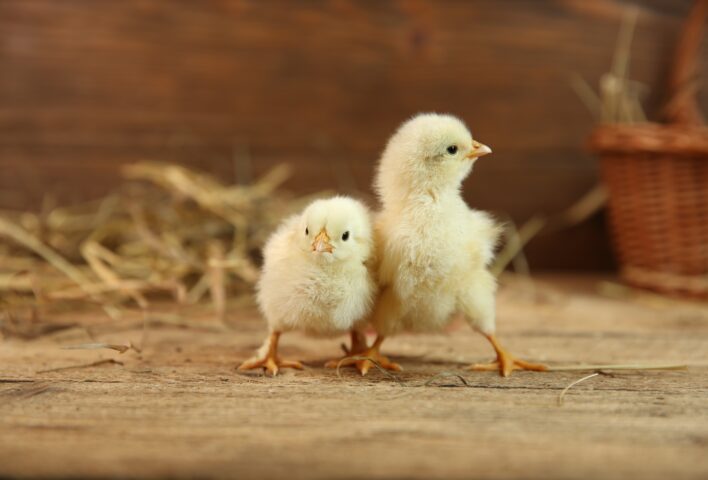
The research, entitled ‘Ban of day-old chick culling: Ethical concerns and challenges for policy, industry, and research’, focuses on the development of in-ovo chicks.
This is the first peer-reviewed piece of research into the subject of chick-development in-ovo and its relationship with male chick culling.
The report states:
‘Worldwide, billions of day-old male chicks are culled each year in the egg industry due to the low market value of layer-type males. As a result of public pressure on this ethical issue, some countries banned the practice, leading to changes in animal welfare legislation… technologies for in-ovo sex determination, aiming to cull male embryos during early development and prior to the onset of pain perception, are feasible alternatives.’
You can read the full report here:
What does this mean for the Ban Hatch & Dispatch campaign?
Chicks develop the ability to feel pain while still in the egg. This is not a matter for debate, although the exact timings are still a matter of scientific disagreement. If chicks can feel pain in the egg, then in-ovo sexing is essential as early as possible to prevent unnecessary suffering.
Accoding to Orbem (an in-ovo sexing technology company), current in-ovo sexing methods are already operating at optimum accuracy: After the embryo is robust enough to be handled without causing excess mortality (>Day 8) and before the onset of pain perception (<Day 13).
In-Ovo Sexing
In-ovo sexing is a technology that allows eggs to be sorted into male and female chicks very early in the development cycle. This means that male chicks are not allowed to be born, only to be killed on their first day of life.
By allowing male chick culling to continue, the UK risks falling behind other countries on animal welfare.
- Around 7 billion male chicks are culled globally every year.
- Germany, France, Austria and Luxembourg have already acted through legislation or industry agreements.
- Many hatcheries across Europe, North America and South America have adopted commercial in-ovo systems.
- The UK is absent from the list of countries taking action.
Dual Purpose Breeds
Dual purpose breeds are less specialised chickens that can be used for both meat and eggs. Generally, both the egg and chicken industries use specialised birds that are only suitable for one or the other.
The authors of the research conclude that:
- dual-purpose breeds currently have significantly lower productivity
- they’re mainly suitable for niche markets
- they are unlikely to sustain mainstream egg production under current conditions.
This means that dual-purpose breeds are not a viable solution to end male chick culling.
Scientific Consensus
Researchers agree that in-ovo sex determination is the economically and practically feasible technology currently being adopted commercially. The scientific debate is no longer whether we should end male chick culling, but how to ensure the replacement technology is as humane as possible. Currently available technology is already highly effective and is usable at scale for the egg industry.
You can read the research here:
What can I do to help?
We want to encourage the government to ban male chick culling, and to adopt in-ovo sexing to prevent millions of male chicks from being born only to be killed on their first day of life.
You can help us achieve this in a number of ways.
You can write to your MP with our letter writing tool.
You can help put pressure on the government to act on male chick culling by signing our petition.
Read about the Ban Hatch & Dispatch campaign – explore the campaign journey, key milestones, and our most frequently asked questions.
Lettuce Keep You in the Loop

We are a collective of determined people, connected by our shared belief in a better future for every life on earth. Keep up with our work and sign up to our newsletters...
Follow us on social