
What does the EU’s Ban on Familiar Food Names Mean for Me?
Recently, the EU implemented a ban on a large number of familiar names for food being used to refer to their vegetarian and vegan counterparts.
We’ve campaigned against this alongside many organisations in the EU, but with the ban now coming into place, what does it mean for me?
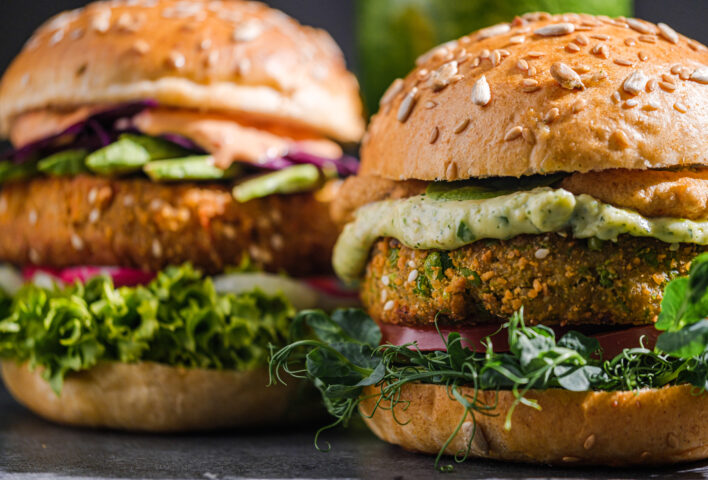
What is the eu food terms Ban?
On 6th March 2026, the EU Commission agreed to a proposal that a number of common food terms should be banned from being used to refer to vegetarian, vegan and plant-based foods. The ban, driven largely by the meat industry and farmer protectionism, is supposedly aimed at preventing ‘confusion’ among consumers.
We are frustrated by how ridiculous this seems and our social posts reflect similar feeling from our followers. However the implications are wide reaching, and as a charity with a vested interest in the growth of the plant-based sector, we must be active on this issue.
What’s Affected?
After the EU Food Terms Ban, the following terms are now banned from being used to refer to vegetarian, vegan and plant-based products:
- Beef
- Veal
- Pork
- Poultry
- Chicken
- Turkey
- Duck
- Goose
- Lamb
- Mutton
- Ovine
- Goat
- Drumstick
- Tenderloin
- Sirloin
- Flank
- Loin
- Ribs
- Shoulder
- Shank
- Chop
- Wing
- Breast
- Thigh
- Brisket
- Ribeye
- T-bone
- Rump
- Bacon
- Steak
- Liver
What isn’t Affected?
Not all commonly used terms are now banned, for now. A number of more generic terms, usually used to refer to a process of a broader food type remain. These are:
- Burger
- Mince
- Sausage
- Nuggets
- Ham
- Schnitzel
- Chorizo
- Pastrami
Why is this important?
First and foremost, this is not the last we will hear of banning terms used for food naming. Although some terms were “saved”, we believe the forces behind the ban will not stop here. The saved terms will almost certainly be targeted in the future.
The ban is not built on solid ground – its reason for existence is specious. Evidence shows that customers are not confused by vegetarian and vegan food names. Very few people are accidentally buying plant-based food when they thought they were buying meat.
For Consumers
The food you are used to buying may be harder to find, creating the very confusion it claimed to avoid! Most UK based businesses that produce vegetarian and vegan food also trade with Europe. To continue doing this, UK businesses will have to abide by EU laws, which means changing the names of their existing products. And for some this comes at great cost.
Products you may have been used to buying – ‘chicken’ sandwich fillings, vegetarian ‘bacon’ and more – could disappear from the shelves for a while as their producers are forced to rename and repackage their products. You will then need to figure out what the things you have been used to buying are now called! Even things that are typically not “plant-based” foods like flavourings may be affected…Smoky Bacon crisps for example.
Critically people who are curious about trying vegetarian and vegan alternatives will find it much harder to swap the things they may have been eating before with equivalents, as the terminology will now be strange to them. We know that especially new vegetarians, flexitarians and meat reducers often choose these products as they sound familiar to the meat counterparts they are familiar with.
Ironically the EU has the largest plant-based sector and this is very detrimental to it’s growth.
For Businesses
Any business that sells vegetarian, vegan or plant-based foods to the EU will need to make sure their products abide by the new legislation.
This includes:
- Research into renaming products with banned names.
- Redesigning and repackaging products.
- Changing all marketing material, both physical and digital.
- Crafting a comprehensive education plan to bring long term customers up to date with new product names.
- Designing a new approach for new customers – how will people know what your products are if they don’t understand the new terms?
What can I do?
All is not lost. We are pressing for an impact assessment as this was pushed through without one. Continued protest and pressure from groups like the Vegetarian Society helped to save terms like ‘burger’ and ‘sausage’ from being banned. We do not plan to give up on the words that have already been banned, and believe with the support of more businesses, we may be able to win further concessions.
Get in touch with us today, and let’s discuss how we can respond to this damaging legislation together.
Lettuce Keep You in the Loop

We are a collective of determined people, connected by our shared belief in a better future for every life on earth. Keep up with our work and sign up to our newsletters...
Follow us on social