Clean Gains? The animal ingredients hiding in your protein bars and powders revealed
Protein is everywhere right now. From gym culture to everyday nutrition, more people are actively trying to increase their protein intake. Protein bars and powders have become one of the easiest and most popular ways to do this.

Here’s the problem: not all protein bars and supplements are vegan or vegetarian.
Many products marketed as “healthy” or “high-protein” contain animal-derived ingredients – sometimes in ways that aren’t immediately obvious. If you follow a vegetarian, vegan or plant-based diet, it’s important to know exactly what’s inside your protein snacks and supplements.
24% of Brits say that they have bought protein bars and other sports nutrition foods in the last 3 months.
What Animal Products Are in Protein Bars and Supplements?
A variety of animal-based products are used in many protein bars. These are not necessarily hidden, but are often referred to by names that can hide their true origins.
Whey Protein*
Whey Protein is made from whey, the watery liquid part of milk that is separated from curds during the cheese making process. It is commonly used as a protein supplement.
Casein*
Casein is a protein found in cow’s milk – making up about 80% of the protein content. It is also commonly used in protein supplements, although it is not suitable for vegans.
Egg Whites*
Egg white, also known as Albumen, is the clear liquid that surrounds the yolk in a chicken egg. They are about 10% protein and 90% water.
Collagen
Collagen is a structural protein that features in animal connective tissues, such as skin, bones and cartilage. This can be collected through boiling down bones, scales, skin and connective tissues in animals.
Gelatine
Gelatine is a translucent, flavourless food ingredient that is usually derived from animal skin, bones and connective tissues. It is commonly used as a gelling agent. Gelatine is usually derived from by-products of the meat and leather industries.
Also sometimes used:
Honey*
Honey is made by bees as an essential food source for their colonies. It is used to feed their larvae, as well as a natural sweetener in various protein bars.
- Suitable for vegetarians, but not vegans.
Quick List: Non-Vegan Ingredients to Avoid
If you’re scanning labels, watch out for these:
- Whey protein
- Casein
- Egg whites (albumen)
- Collagen
- Gelatine
- Honey
The UK protein bar market was worth more than £1billion in 2025.
What Are the Best Vegan Protein Alternatives?
Plant-Based and Vegan protein bars contain a range of alternative sources of protein, such as from peas, soy, rice or nuts.
They might use binders and fibres including: vegetable glycerine, chicory root fibre, tapioca starch and corn fibre.
For a fat source, protein bars could use peanut, almond, cashew, coconut or cocoa butter.
Here are some nutrient rich ingredients that you might find in a vegan protein bar:
Almonds – protein and vitamin E
Pumpkin Seeds – zinc, magnesium and protein
Dark Chocolate – antioxidants and flavour
Flaxseeds – Omega 3 and protein
Oats – carbohydrates and fibre
How to Tell if a Protein Bar Is Vegan
To make sure your protein bar is truly vegan:
- Look for our Vegan and Vegetarian certification marks
- Check the ingredient list carefully
- Avoid dairy-based proteins like whey and casein
- Watch for less obvious ingredients like gelatine and collagen
FAQs About Vegan Protein Bars
Are all protein bars vegetarian?
No. Some contain gelatine or collagen, which are not vegetarian.
Is whey protein vegan?
No. Whey protein is derived from milk and is not suitable for vegans.
What is the best vegan protein source?
Pea protein, soy protein, and rice protein are among the most popular and effective options.
Are vegan protein bars healthy?
They can be, especially when made with whole food ingredients and minimal additives. Always check sugar content and ingredient quality.
Choose Your Protein Wisely
Protein bars and powders can be a convenient way to boost your protein intake – but they’re not always as “clean” as they seem.
Many contain hidden animal-derived ingredients that make them unsuitable for vegans and vegetarians. By understanding what to look for and choosing plant-based protein alternatives, you can stay aligned with your lifestyle and values while still hitting your nutrition goals.
The key takeaway: look out for Vegetarian Society certification marks – they show products you can trust.
Check out some of our Vegetarian Society Vegan and Vegetarian approved products below.
vegetarian and vegan protein products
Yubi Bar Caramel
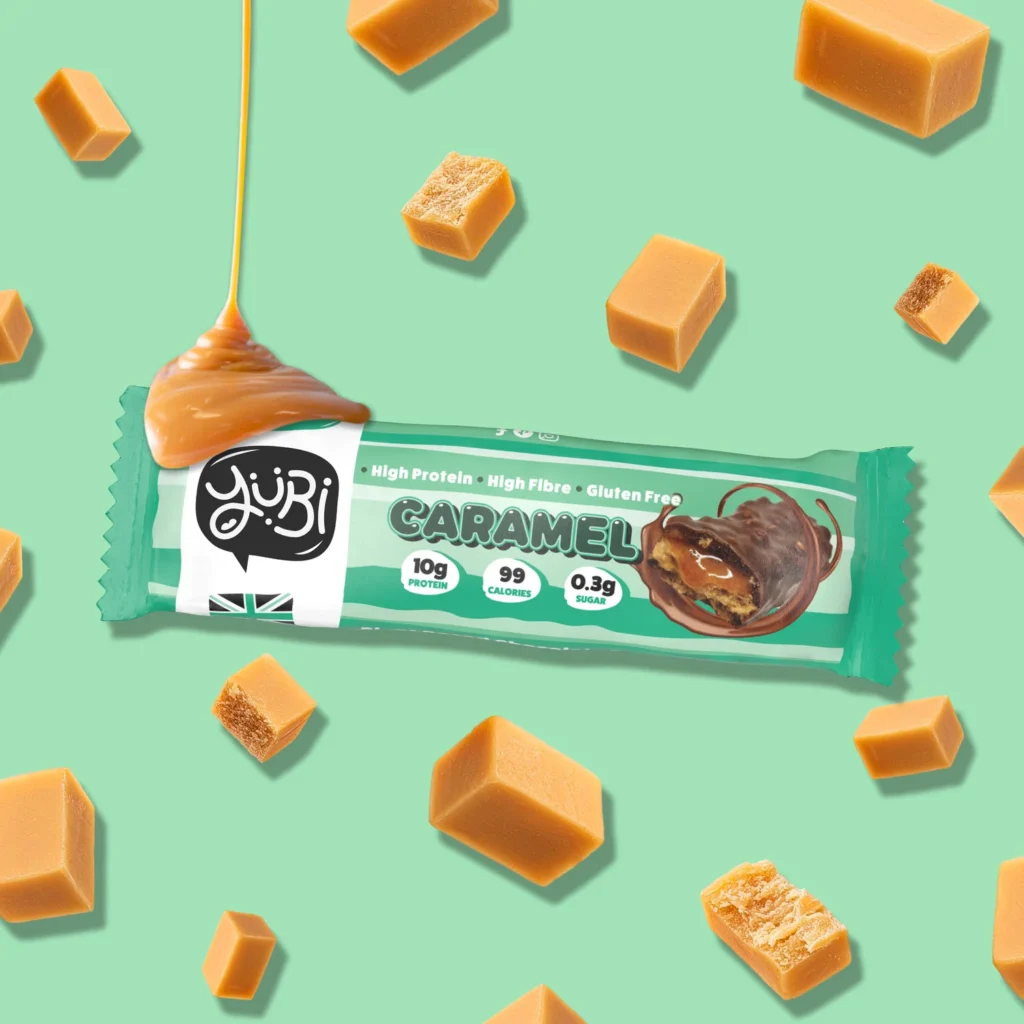
Welcome to Caramel heaven! These caramel protein bars are made with a goooey caramel layer covered in soya protein crispies and coated in delicious vegan chocolate! Deliciousness in every bite!
Jade & Joy Bar

Treat yourself to radiant skin, strong hair, and healthy nails with every bite of our delicious, award winning Plant Based Collagen Protein Bars.
Beneath a smooth milk chocolate exterior lies a chocolate protein base, generously speckled with protein crispies and topped with sweet caramel.
Grenade Protein Shake Brownie
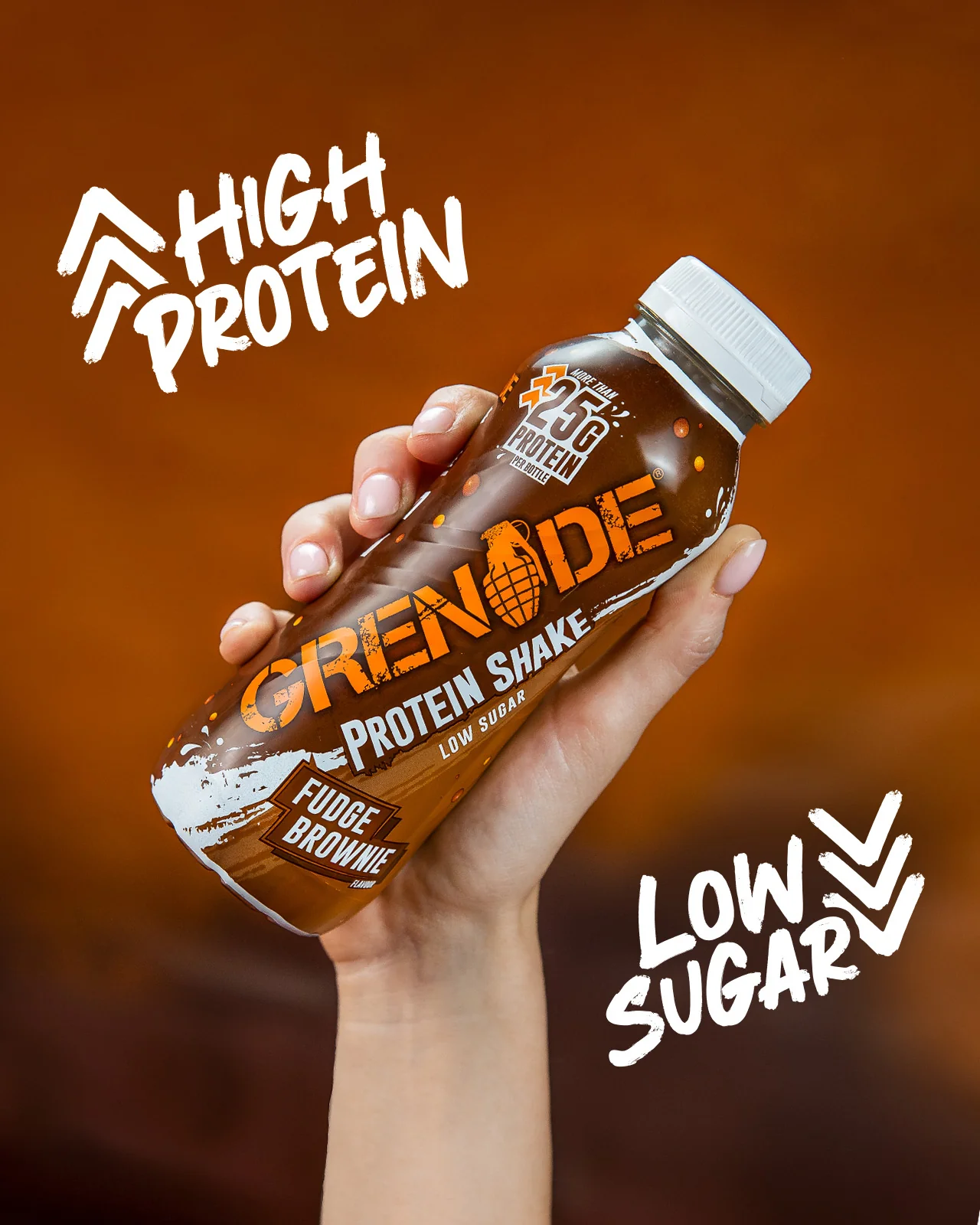
This best-selling high protein shake is outrageously smooth and seriously satisfying. Our Fudge Brownie combo is pure indulgence that delivers. Delicously chocolatey… it’s too good to be good!
No Prep. No Mess. No Fuss. Our range of protein shakes are the ultimate on-the-go snack.
THG My Protein – Popped Crisps
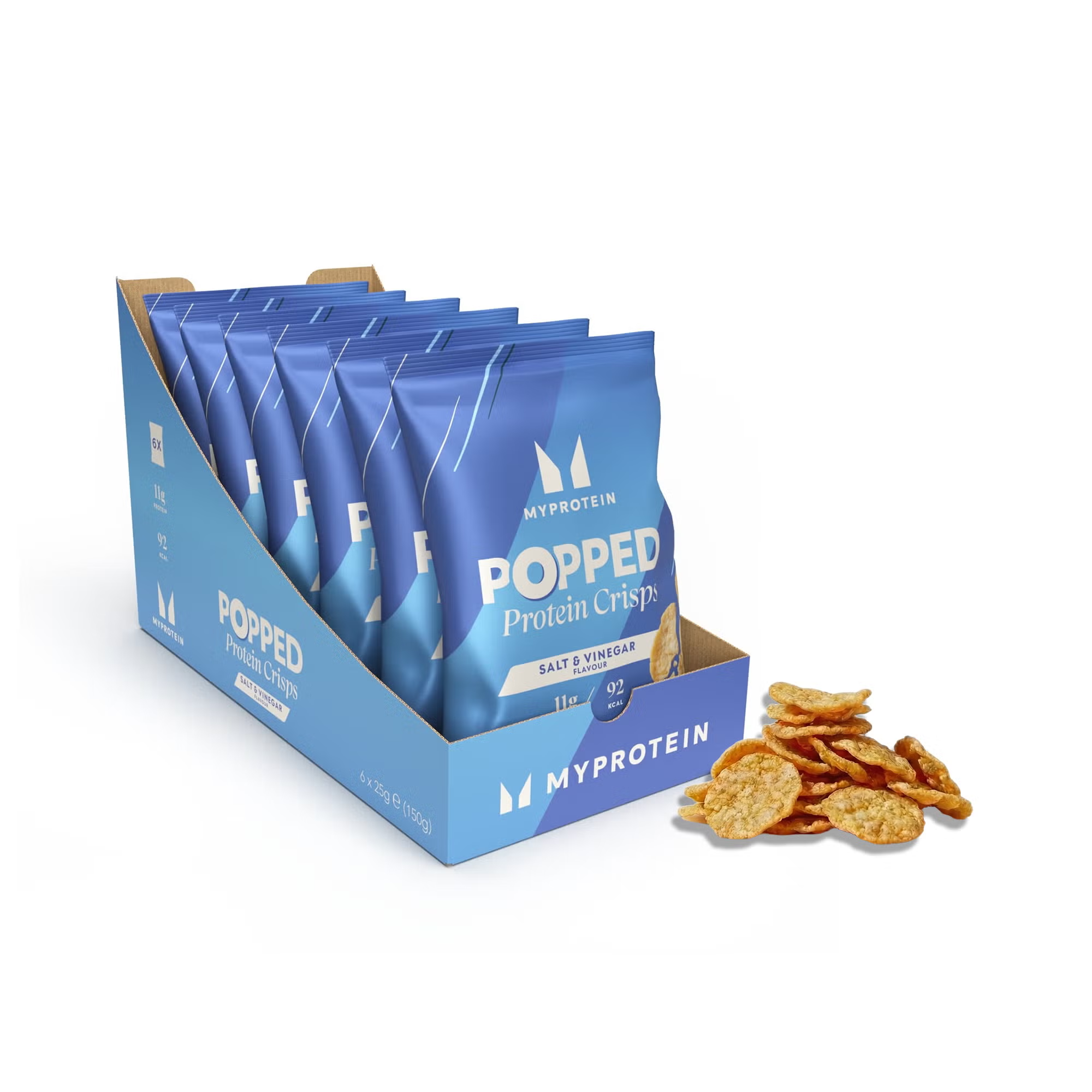
Pop open a pack of Protein Crisps. A crunchy, savoury snack that packs a real flavourful punch. Baked, not fried, Popped Protein Crisps have less than 100 calories and are loaded with at least 10g of protein in every bag.
My Protein – Clear Whey Protein – Vimto®
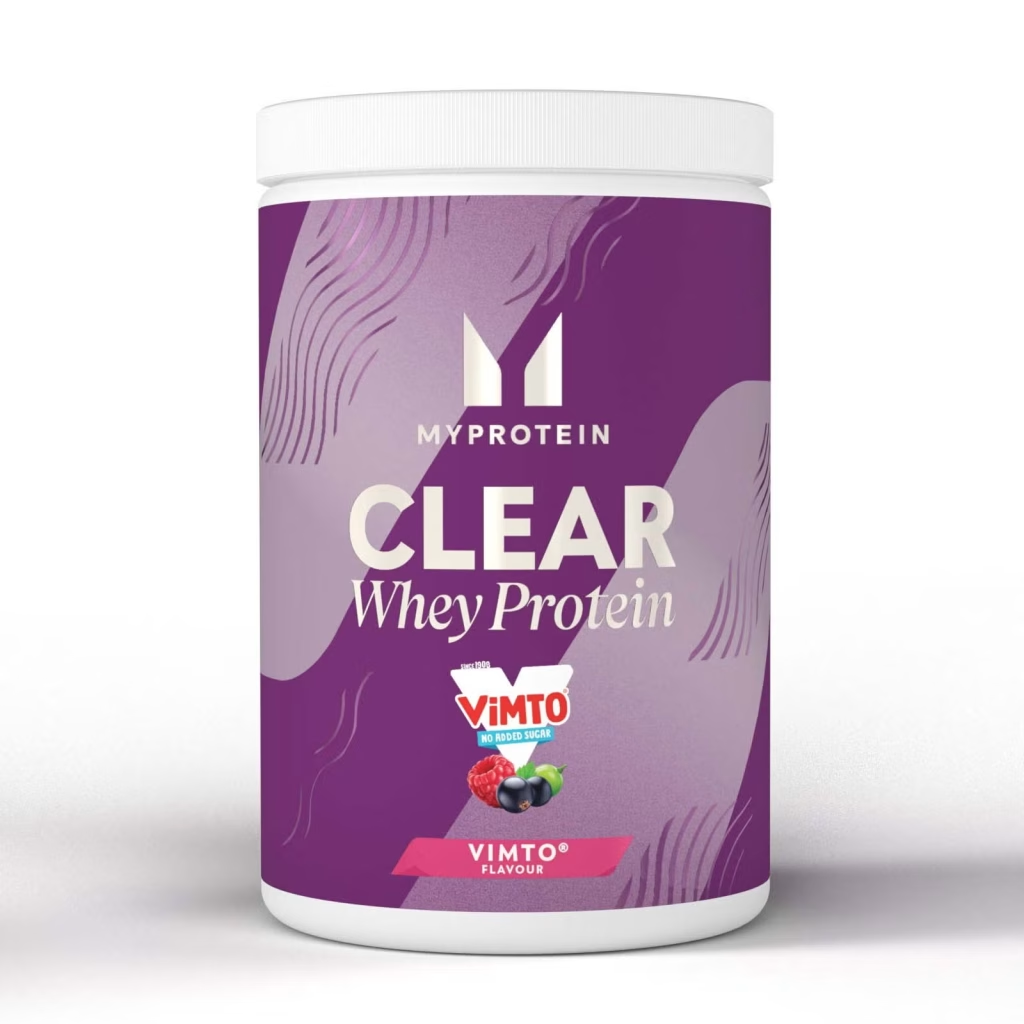
Not like your traditional milky protein shakes, this award-winning Clear Whey is light and fruity and packs the same protein hit, with 20g of high-quality hydrolysed whey isolate to contribute to the maintenance and growth of muscle mass.
Protein Bars represent the largest part of the sports nutrition market, at 36.6%.
Certification marks for vegan and vegetarian protein
Certification marks, like those offered by the Vegetarian Society, allow consumers to easily know which products match their ethics and lifestyles. To learn more about our certifications and how they help customers choose the products for them, visit our trademark guide.
The Vegetarian Society is at the forefront of making it clear which products are vegetarian or vegan – so that consumers like you know if they are buying products that contain animal derived ingredients.
Lettuce Keep You in the Loop

We are a collective of determined people, connected by our shared belief in a better future for every life on earth. Keep up with our work and sign up to our newsletters...
Follow us on social