Are there cows in your cosmetics?
Which animal products might be in your hair and skincare?
Are you rubbing crushed up beetles over your lips? Spreading the extract of cow vertebrae over your skin? Washing your hair in boiled up feathers and hoofs? If you’re a committed fan of cosmetics – make up, hair and skin care – you might well be, without realising it.
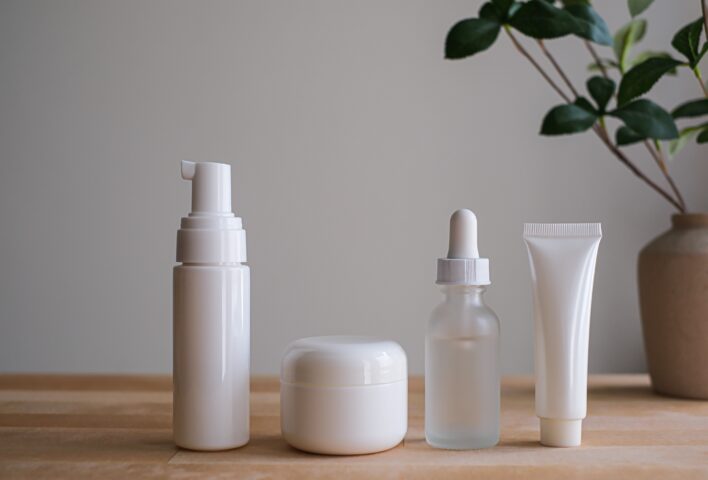
When you buy cosmetics, you want to know that the products you buy match your personal ethics. However, this is not always possible for people who follow a vegetarian, vegan or plant-based lifestyle. Many common ingredients in personal cosmetics are actually made from animal ingredients. How can you easily identify which ingredients aren’t suitable for your lifestyle, and which are the most common to avoid?
What Does Vegan Mean in Cosmetics?
The term vegan is used in the cosmetics industry to mean a few things. Vegetarian Society certified vegan cosmetics never contain any animal-derived ingredients (and are not tested on animals). This includes ingredients that are indirectly sourced from animals, including through genetically modified materials.
Some cosmetics that are loosely described as vegan can contain animal derived ingredients like honey. This demonstrates the importance of independent checking and certification. Vegan cosmetics that have been certified by the Vegetarian Society do not permit animal testing.
Finally, vegan cosmetics are often (but not always) plant-based, or primarily based on natural ingredients.
The global vegan cosmetics market is projected to grow 6.3 percent a year to reach to 20.8 billion U.S. dollars by 2025.
The Most Common Animal Ingredients in Cosmetics
Cera Alba (Beeswax)
Beeswax is often used as an emulsifier – to help mix oils into water. It is used in creams and skin products – as well as lipstick and mascara. This is often referred to in ingredient lists as cera alba, rather than beeswax.
Vegan alternatives can be made from soya or other plant-based waxes.
Casein
Casein, made from milk (usually cow’s milk), is used in a variety of skin and hair care products.
Vegan Alternatives are often made from plant-milks.
Carmine & Cochineal
Carmine (and cochineal) are bright red dyes, formed from crushing insects. They are used in any forms of cosmetics that have a red, purple or pink colour – including eyeshadow, lipstick, nail polish and more.
Beetroot provides a strong colour match for carmine and cochineal, while still being vegan.
Collagen
Collagen is extracted from animal skin. It is commonly used in skin creams and anti-ageing products, although it is now considered of questionable efficacy.
Vegan ingredients can be made from soya protein and nut oils.
Elastin
Losing elastin appears to be one of the causes of skin ageing. For this reason, it is often used in skin and anti ageing creams, like collagen. It is usually extracted from the aorta and vertebrae of cattle.
Hyaluronic acid is a proven anti-ageing ingredient that remains vegan.
Gelatin
Gelatin is sometimes used in skin care products. It is extracted from bones and offal through boiling.
Vegan alternatives can be made from agar-agar and carrageenan.
Guanine
Guanine is a pearlescent substance, used decoratively in a variety of make up, shampoo and nail polish products. This is made from ground up fish scales. It can also be referred to as pearl essence, extract or powder.
Alternatives can be made from metals, like aluminium or bronze – as well as plants.
Keratin
Keratin comes from the nails, horns, hair, feathers and hooves of animals. It is often used in hair care products like shampoo to strengthen the hair.
Soya protein and almond oil can create a vegan alternative.
Shellac
Shellac is made from the resinous secretion of insects. It takes a vast number of insects to produce shellac – perhaps 300,000 to make just one kilogram. Shellac is used in lots of cosmetics, including: hairspray, lipstick, mascara, shampoo and nail polish.
Maize can make a hard alternative glazing material to shellac, without using insects.
Skin care was the largest revenue generating product in 2022 in the vegan cosmetics space.
Animal Testing in Cosmetics
Testing cosmetics and ingredients on animals is banned in the UK and the EU. However, this is unfortunately not the case worldwide, and is something to be aware of when buying cosmetics from overseas. The United States does not require cosmetics to be tested on animals, but equally it does not prohibit it either at a nation-wide level. This means you should check any cosmetics bought from the US for whether they have been tested on animals. China previously required animal testing to have been carried out on cosmetics for sale in the country, but this has been relaxed. However, China-produced cosmetics should still be checked over for whether animal testing has been used in the process.
Vegetarian Society Approved Certification Marks
Q – How do you know that your cosmetics don’t contain any of these horrible animal derived ingredients?
A – You buy products with a certification mark from the Vegetarian Society.
Our certification marks – available in vegetarian, vegan and Plant-Based – mean that you can trust the product matches your ethical standards. We go through a detailed checking process with the companies that use our certification marks, so they can prove they don’t use ingredients that you wouldn’t want to see. When you see a vegetarian, vegan, Plant-Based certification mark – or a combination – you know that the product is one you can trust.
FAQs About Vegan Cosmetics
Are all cosmetics vegan?
No. Some contain gelatine, collagen or any of the ingredients listed above, which are not vegan. Some cosmetics may also be tested on animals.
Are all vegan cosmetics skin friendly?
Many vegan alternatives contain nutrients and properties that can cause less irritation than animal products. However, everyone’s skin is different, and check how the ingredients affect you before use.
Are all vegan cosmetics sustainable?
Many vegan cosmetics are more sustainable or environmentally friendly than animal derived cosmetics – however this is not always definite.
Are vegan cosmetics safer?
Using plant-based or natural ingredients is often a good way to make safe and less harsh cosmetics. They are frequently safer for both people and the environment.
What’s the difference between cruelty-free and vegan cosmetics?
Cruelty-free = not tested on animals
Vegan = not tested on animals and contains no animal ingredients
A product can be cruelty-free but still contain animal-derived ingredients.
How Can I Know I’m Buying Vegan Cosmetics?
- Look for the Vegetarian Society Approved Vegan and Plant-Based certification marks. These prove that a product is guaranteed to be vegan.
- Check out the ingredients. While the list above is not comprehensive, it represents some of the most common animal ingredients in cosmetics.
Some Vegan and Cruelty Free Cosmetic Products
MUA DOUBLE SHOT UNDER EYE BRIGHTENER
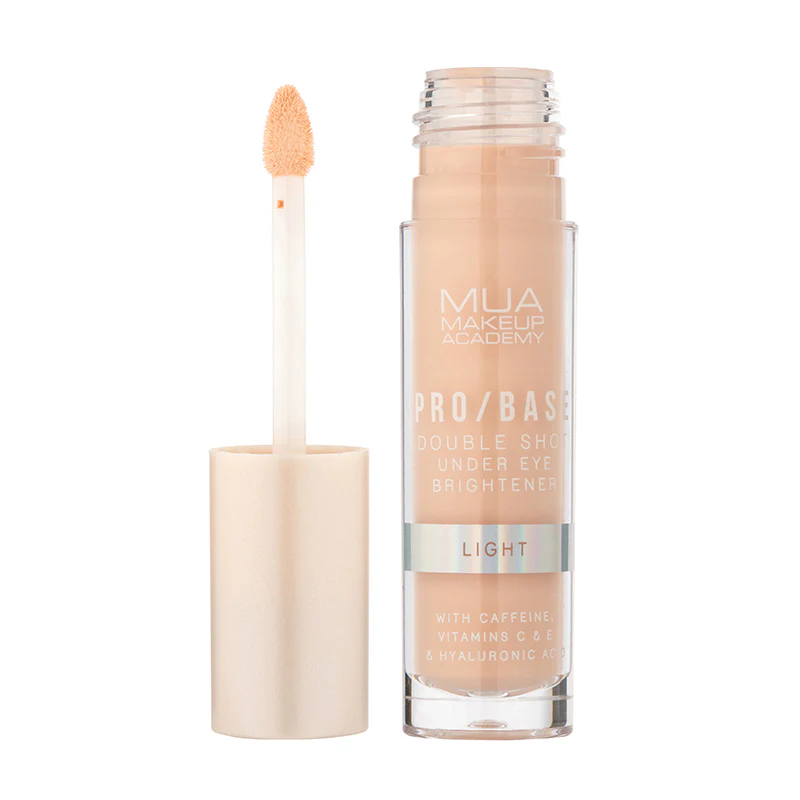
Give your under-eyes a boost with this PRO/BASE Double Shot Under Eye Brighteners.
Benefitting the under eyes in two ways;
1.with powerful ingredients such as Caffeine, Vitamins C & E and Hyaluronic Acid,
2.with a light reflecting and brightening formula to camouflage dark circles,
this professional-grade formula works to combat signs of fatigue while providing immediate optical brightening.
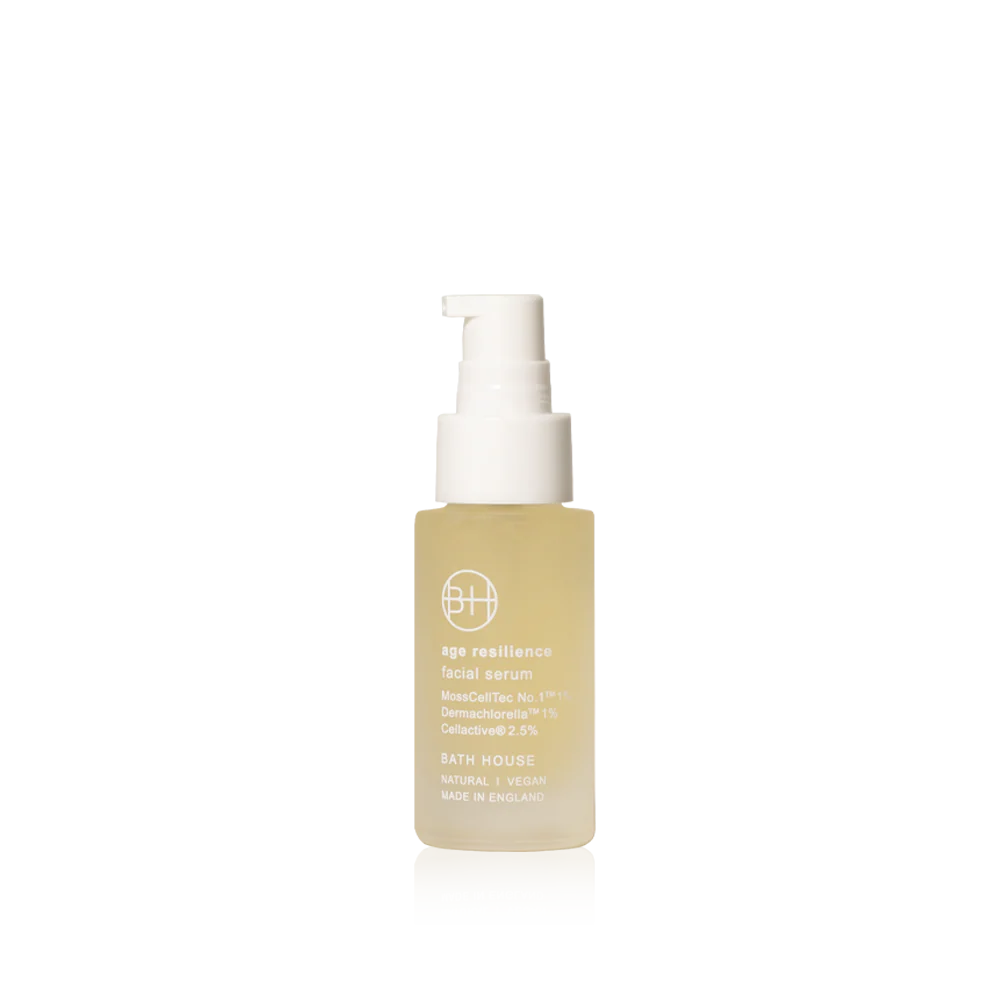
A powerful formula with an advanced blend of MossCellTec No.1™, Cellactive®, and Dermochlorella™.
This vegan face serum provides targeted anti-ageing benefits, protecting the skin from environmental stresses while enhancing its natural resilience. Use this anti-ageing serum as part of your daily skincare routine for a healthier, more youthful complexion.
Rejuvenating Frankincense Nourishing Cream 50ml
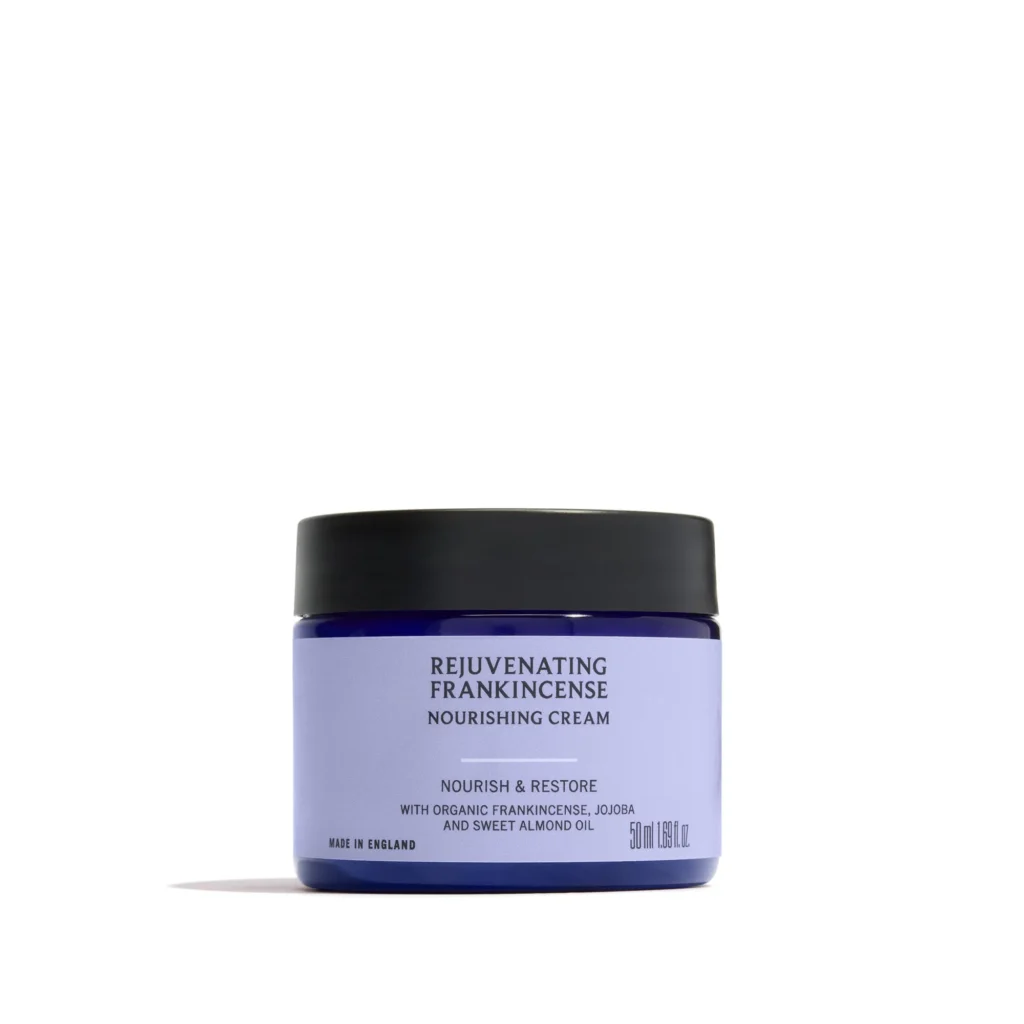
Ultra-rich and luxurious in texture, this bestselling nourishing cream absorbs effortlessly to hydrate, rebalance and replenish dry skin. With a high-performing combination of organic plant oils and soothing aloe vera.
Inhale the therapeutic aroma of frankincense and myrrh to transform your routine into a calming ritual, soothing mind and leaving skin soft, supple and beautifully scented.
Vegetarian Society Approved Certification Marks – Making your Buying Choices Simpler
Finding the right cosmetics for your lifestyle doesn’t need to be hard. When you see our certification marks, it isn’t. Vegetarian Society Approved certification marks show the products that bear them to be trustworthy. When you see a certification mark – either vegetarian, vegan or Plant-Based, you know it fits your personal ethical standards. To learn more about our certification marks, you can read more here.
Lettuce Keep You in the Loop

We are a collective of determined people, connected by our shared belief in a better future for every life on earth. Keep up with our work and sign up to our newsletters...
Follow us on social