What are the best sources of protein?
Spoiler alert – according to researchers it’s tofu, beans and lentils….
For many people mention the word ‘protein’ and they’ll tell you that meats, particularly red meat and chicken, are the best sources.
And to a certain extent this is true, in terms of the amount of protein per kg. But new research from Cambridge University challenges this idea. When ranking protein quantity alongside a range of other factors, the story becomes very different.
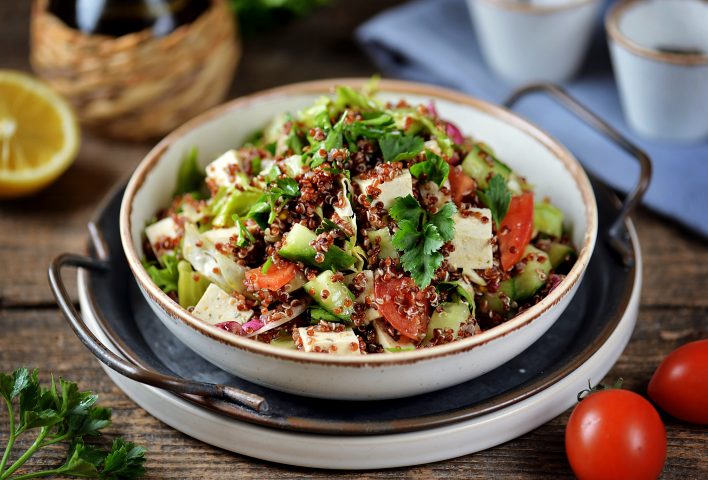
A new research paper by Dr Chris Macdonald, a behavioural scientist and director of the Better Protein Institute (BPI), found that tofu was the healthiest source of protein, compared to 19 other sources – including meat.
The research team created a scoring system, the BPI Score. Rather than looking only at nutrition, the score combines health, environmental sustainability, affordability, and accessibility to evaluate protein sources in foods more holistically.
How the scoring system works
The BPI Score is divided into two main categories:
- People Score (up to 24 points), which considers factors such as nutritional quality, sodium levels, saturated fat content, affordability, and availability.
- Planet Score (up to 16 points), which measures environmental impacts including greenhouse gas emissions, water pollution, and resource use.
The research assessed 20 popular high-protein foods, including plant-based and animal-based options.
Why tofu came out on top
On this new BPI scale, Tofu scored 36 out of 40, making it the highest-ranked protein overall. According to the analysis, it performed exceptionally well because it combines:
- High-quality protein
- Relatively low saturated fat
- Good affordability
- Wide availability
- Very low environmental impact compared with animal proteins
The environmental differences between tofu and beef were particularly striking:
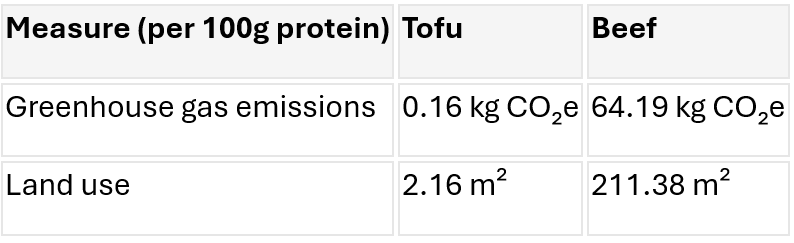
These figures show that tofu requires only a tiny fraction of the land use and produces much lower emissions than those associated with beef production.
Plant proteins dominated the rankings
One of the paper’s main findings was the clear divide between plant and animal proteins. Macdonald reported that:
The highest-performing group consisted entirely of plant-based proteins, particularly tofu, beans and lentils, while the lowest-performing group consisted entirely of animal-based proteins, including beef, lamb and cheese.
What this means
The significance of the study is that it challenges the common perception that protein quality should be judged solely on amino acids or protein quantity. Instead, it argues that consumers should consider broader factors such as:
- Human health outcomes
- Climate impact
- Resource use
- Cost to consumers
- Food accessibility
For many people, tofu emerges as a particularly strong choice because it delivers substantial protein while also being affordable and environmentally efficient.
What’s coming next?
The article is clear that this new scoring system needs further development and notes that a future version will include additional factors such as:
- Animal welfare
- Antimicrobial resistance
- Risk of zoonotic diseases
However, Macdonald suggests that including these factors would likely widen the gap between plant-based proteins and animal products even further.
Plant-based proteins are a key part of a more sustainable future
The study highlights why plant-based proteins are becoming increasingly important in discussions around healthy and sustainable diets. As concerns about climate change, food security and public health continue to grow, plant-based proteins offer a practical solution that can benefit both people and the planet. Foods such as tofu, beans, lentils and other soy-based products provide high-quality protein while generally requiring fewer natural resources and producing lower greenhouse gas emissions than animal-based alternatives. Ultimately, the research suggests that choosing more plant-based proteins is not just a personal decision but a meaningful step towards reducing environmental impact and supporting a food system that is better equipped to meet future challenges.
You can read the article for yourself here.
Download your free National Vegetarian Week booklet to access wonderful tofu recipes here.


Lettuce Keep You in the Loop

We are a collective of determined people, connected by our shared belief in a better future for every life on earth. Keep up with our work and sign up to our newsletters...
Follow us on social