Turkeys Beyond the Table: Fun Facts About These Amazing Animals
When we think about Christmas, many of us picture festive meals shared with family and friends. For some, turkey is still seen as the centrepiece of the celebration. But how often do we stop to think about the bird behind the meal?
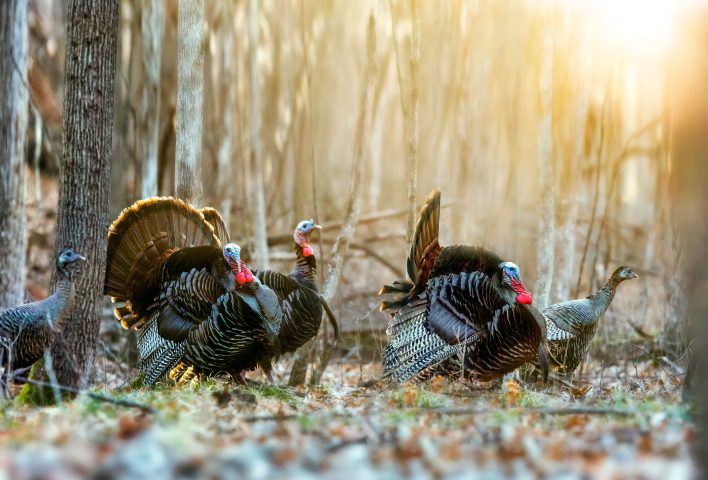
This year, we’re focusing on turkeys, not turkey. These intelligent, social and curious animals have rich emotional lives and fascinating behaviours that are often overlooked. Learning more about who turkeys are, rather than what they are used for, can offer a fresh perspective as the festive season approaches.
We’ve gathered some of the most surprising and interesting turkey facts that might make you rethink including turkey on your Christmas dinner table.
Turkeys in the Wild
- Wild turkeys can live as long as 15 years.
- Wild turkeys are strong fliers. They roost high up in trees and travel across wide areas in search of food.
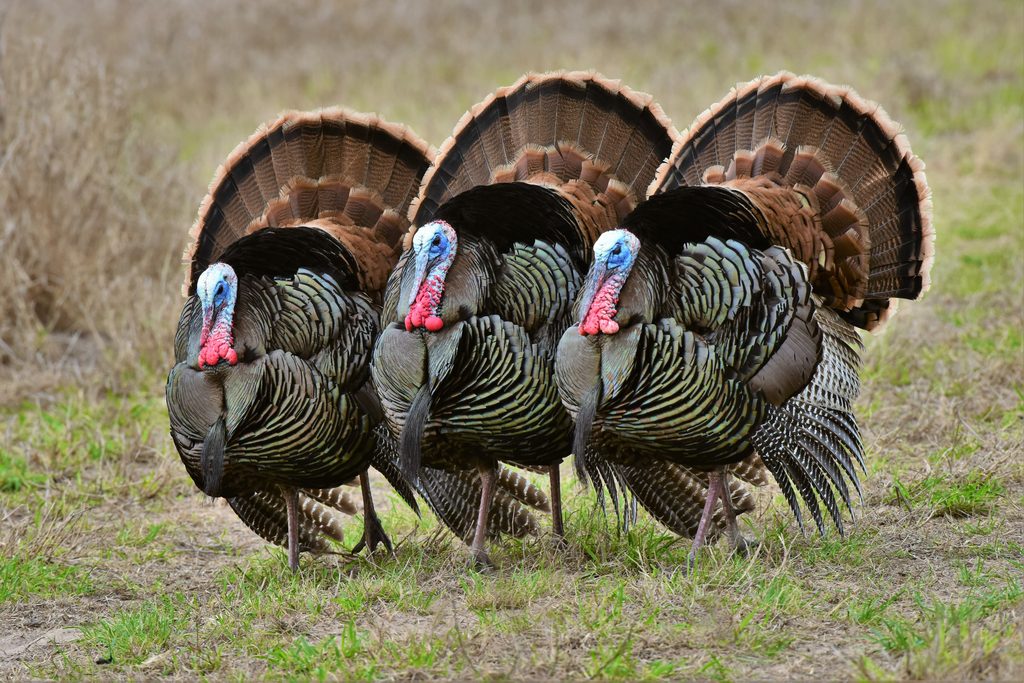
- Left to their own devices, turkeys love a good march or strut! They have a variety of styles of walking too. The males especially love to strut.
- Turkeys in the wild forage by day in groups over large home ranges, then, at night, roost high in trees.
Turkey Society
- Turkeys are remarkably vocal, with around 28 different calls! It’s not all just gobble-gobble.
- Did you know when turkeys are content, they make purring noises? It’s thought these soft calls help to keep the flock together.
- Turkeys alter their appearances by relaxing and contracting the blood vessels in their skin, which means they can change their colour. They use the same method to alter the size of the fleshy part of their nose, called the snood.
- Turkeys naturally have tight knit family units and male siblings will often form lifelong social groups.
- Wild turkey mothers stay with their chicks (poults) for up to a year.
- Mothers protect and teach the chicks how to survive.
- Studies show turkeys can recognise each other by voice.
- Turkeys remember social relationships, comparing this ability to dogs or primates.
- Research shows turkeys display curiosity, playfulness, affection, and grief when a flock member dies.
Turkey Facts
- Turkeys have excellent colour vision.
- They can detect ultraviolet light and subtle colour differences not perceived by humans.
- Some turkeys are shy and gentle while others are bold and outgoing.
- Sanctuary caretakers often describing turkeys as “dog-like”.
- Rescued turkeys seek affection, enjoy being petted, and may fall asleep in people’s laps.
BUT…
Most turkeys in the UK are intensively farmed for meat and never experience life as wild birds. Turkeys are commonly killed between nine and 21 weeks old, despite a natural lifespan that can reach 15 years.
- 90% of turkeys are intensively reared in windowless sheds.
- Turkeys are nervous, easily frightened, and often suffer injury during transportation.
Factory farming causes immense suffering
- Birds are bred to grow unnaturally fast.
- Some become so large they can barely walk.
- Their beaks and toes are often mutilated – the stated purpose is to reduce pecking between stressed birds. This is usually done without pain relief.
A Vegetarian Christmas: Delicious Alternatives to Turkey
The more we learn about turkeys, the less we see them as food. They are intelligent individuals with distinct personalities, family bonds, the ability to recognise one another, and a natural desire to explore, communicate and socialise.
Opting for a veggie meal this Christmas is a wonderful opportunity to extend our kindness to these incredible animals. With so many delicious plant-based options available, it’s easier than ever to create a delicious meal that is full of flavour, kindness and festive cheer.
This year, why not try one of the delicious recipes featured in our Christmas Booklet?
Inside this FREE digital booklet, you’ll find a spectacular selection of vegetarian and vegan recipes from top chefs and food writers, spanning cozy drinks and heart mains to decadent desserts!

Lettuce Keep You in the Loop

We are a collective of determined people, connected by our shared belief in a better future for every life on earth. Keep up with our work and sign up to our newsletters...
Follow us on social