What are the best foods for the Environment?
Our diets can have an outsized impact on the environment. While people tend to think of major industries, travel and shipping having the largest impact on the environment, agriculture and the broader food production infrastructure has a massive effect on the planet. This is particularly relevant to the climate crisis. Animal agriculture (and the connected production of greenhouse gases) represents a large proportion of total human emissions.
Which foods are the best for an environmentally conscious diet?
Not all food production is bad for the environment. Much of it is either neutral or even actively a net positive. So, which foods are best for the environment?
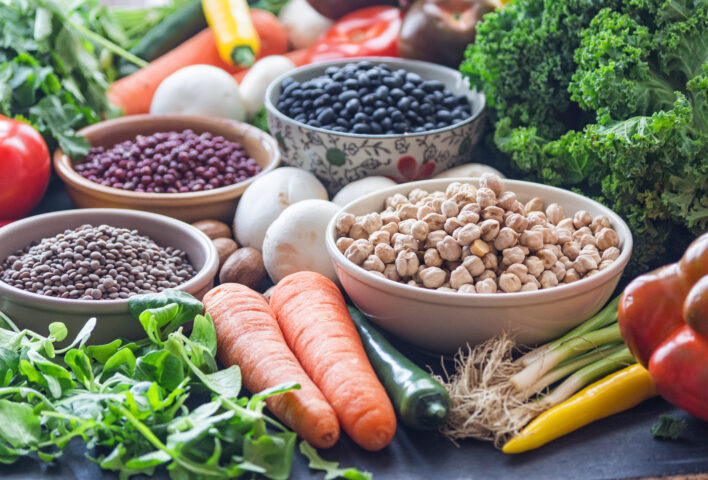
- Lentils
Lentils (and other legumes) are a great place to start. They are high in protein and fibre, making them a dense, efficient food source. However, they also require very little water compared to animal protein sources. Lentils and other legumes also naturally fix nitrogen in the soil, reducing the need for synthetic fertilisers. - Chickpeas
Chickpeas can also help to improve soil health through nitrogen fixation. They can be easily canned and preserved, leading to a long shelf life which reduces food waste. They are also very flexible and widely used, making them extremely versatile (hummus, curries, salads). - Beans (Black, Kidney, Pinto, etc.)
Beans (as we have previously written about) are one of the best foods for the environment. They have a notably low greenhouse gas emissions per gram of protein rate, significantly more so than animal proteins. They can also be grown in a way that supports sustainable crop rotations. Finally, they represent efficient land use compared to meat production. - Oats
Oats are one of the best foods for the environment because they require relatively low inputs (water, fertiliser) to grow. They are often grown in cooler climates with less irrigation, making them suitable for growth in places other food stuffs cannot be produced as easily. They are also useful for multiple types of meals and ingredients (porridge, baking, plant milk). - Potatoes
Potatoes are one of the most land-efficient staple crops. This is because they represent a high calorie yield per hectare. They can be grown densely, producing many potatoes in a small space. They can also be grown locally in many regions around the world, reducing transport emissions. - Seasonal Vegetables
Eating seasonally means eating fruit and veg that would naturally grow in your part of the world at a particular time of the year. Seasonal veg have a lower environmental impact when grown in season locally. They usually require fewer artificial growing conditions (like heated greenhouses). Seasonal vegetables have a high nutrient density per environmental cost. - Mushrooms
Mushrooms are one of the best foods for the environment because they can be grown using agricultural by-products, such as sawdust or compost. Mushrooms require minimal land compared to traditional crops. They also have a low water use and rapid growth cycles, so can be easily produced en masse. - Tofu ( and other Soy Products)
Soy beans can be used to produce foods like tofu, which have much lower emissions than animal protein (even compared to more efficient animals like poultry). Tofu is also widely adaptable in cooking, reducing reliance on meat substitutes with heavier processing. - Nuts (especially peanuts & hazelnuts)
Nuts represent an easy to transport and grow food stuffs that are dense in calories and nutrients—small amounts go a long way. Some nuts are efficient to grow, too – peanuts in particular have low water requirements compared to almonds. They can be grown in a way that benefits the land around them; trees (like hazelnuts) can support biodiversity and soil stability. - Whole Grains (e.g., barley, quinoa, brown rice)
Whole grains aren’t just good for your health, they are also good for the environment. They provide high nutrition per hectare of land. Whole grains are not processed as much as refined grains. Less processed means lower energy use, and therefore better for the environment. Many whole grain crops (like barley) are resilient, and can grow in varied climates.
The best diet for the environment
Eating a diet that is rich in seasonal vegetables, whole grains, beans, legumes and more is the best way to eat for the health of the planet – as well as your personal health. It is no coincidence that there are no meat-products on this list. Eating a vegetarian or vegan diet is the best way to eat a planet-friendly diet.
Lettuce Keep You in the Loop

We are a collective of determined people, connected by our shared belief in a better future for every life on earth. Keep up with our work and sign up to our newsletters...
Follow us on social