Which Vegetarian Foods Have the Lowest Carbon Footprint?
Many people choose vegetarian food for environmental reasons, but not all foods have the same impact. This article explores which vegetarian foods tend to have the lowest carbon footprint and how readers can make climate-friendly choices without overcomplicating their diet.
Eating less meat is often highlighted as one of the most effective ways to reduce our dietary carbon footprint. But among vegetarian foods, some choices are more environmentally friendly than others.
So, which foods offer the biggest benefits for the planet?
If you’re looking to eat a diet with a lower carbon footprint, the easiest way is to eat less or no meat. Most plant foods have significantly lower emissions than meat. This is not to say that all meat-free foods are completely without carbon footprint however, as there are still differences that exist between various vegetarian foods.
What Is a Carbon Footprint?
We should define a carbon footprint, as it will be referred to often throughout this article. A food’s carbon footprint refers to the greenhouse gas emissions produced during:
- Growing the ingredients
- Processing
- Packaging
- Transportation
- Storage
Some foods require far more land, energy and resources to produce than others, thereby having a higher or lower carbon footprint.
The Lowest-Carbon Vegetarian Foods
Beans and pulses
- Lentils
- Chickpeas
- Kidney beans
- Butter beans
- Peas
Climate friendly because:
Beans and pulses require relatively little land to be grown in, particularly in comparison to more exotic fruits and veg. They are also high in protein, meaning they provide important health benefits. Beans and pulses store well, so can be kept for a long time. They are also among the most affordable vegetarian foods.
Winter seasonal vegetables
- Carrots
- Cabbage
- Leeks
- Onions
- Courgettes
- Swede
Climate friendly because:
Seasonal and locally grown vegetables usually require less intensive production in comparison to imported or non-seasonal crops. They often need less artificial heating, and can be sourced locally during their peak growing season.
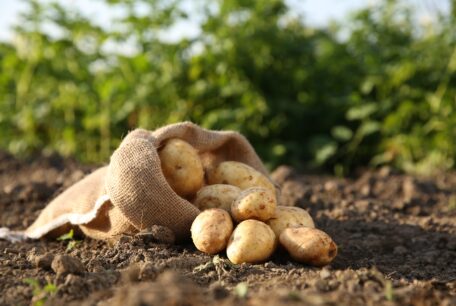
Potatoes
Potatoes rarely appear in sustainability discussions despite being one of the UK’s most resource-efficient crops.
Climate friendly because:
Potatoes are known for their potential to produce high crop yields per hectare of farmland. Because of this we can grow potatoes with relatively low emissions. Potatoes are also a positive choice for climate conscious veggies and vegans as they are both affordable and versatile cooking options.
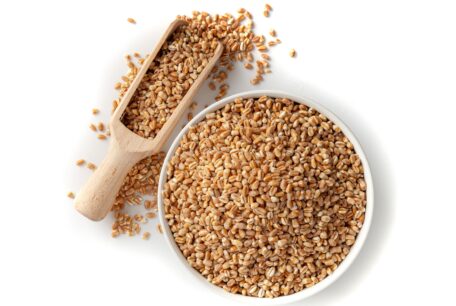
Whole grains
- Oats
- Barley
- Wheat
- Rye
Climate friendly because:
Whole grains are another climate conscious option, as they can often be grown domestically, reducing dependence on imported ingredients. They are also efficient to produce in the UK. Like beans and pulses, whole grains can be stored well, and can form the basis of many low-carbon meals.
Does Local Always Mean Better?
This is a common misconception. Many consumers assume that local food automatically has the lowest carbon footprint. How food is produced often matters more than how far it travels. Transport is only one part of a food’s footprint. Carbon footprint also includes the carbon used in producing, packaging and storing the food. Air-freighted produce can have a much higher impact than foods transported by ship, even if it originated closer.
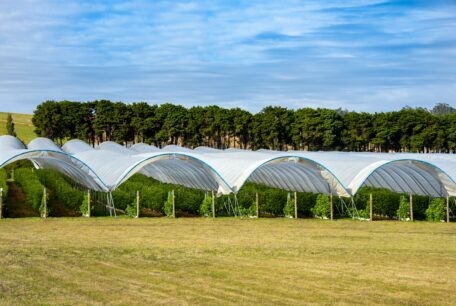
For example, a locally grown crop from a heated greenhouse may generate more emissions than a field-grown crop imported from a suitable climate.
Vegetarian Foods with a Higher Carbon Footprint
Not all vegetarian foods are equally low-carbon. There are many reasons that vegetarian products might have a higher carbon footprint. These include:
- Out-of-season produce
- Heated greenhouse growing
- Some meat alternatives
- Multi-ingredient convenience products
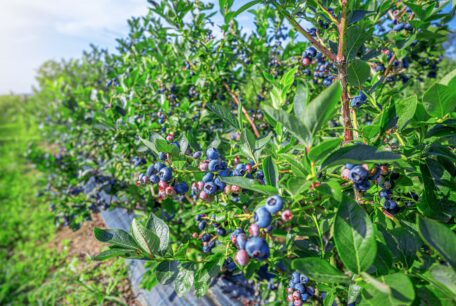
- Resource-intensive crops
- Certain nuts can require significant water inputs
- Some imported products may have larger footprints depending on production methods
These foods are still generally lower impact than meat, but they are not necessarily the lowest-carbon vegetarian choices.
Building a Low-Carbon Vegetarian Plate:
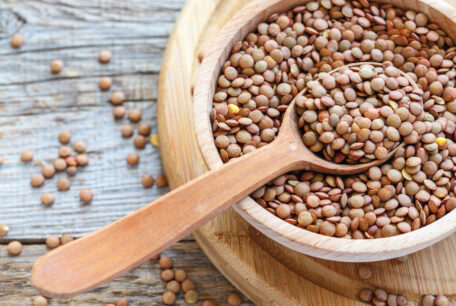
Beans and Lentils
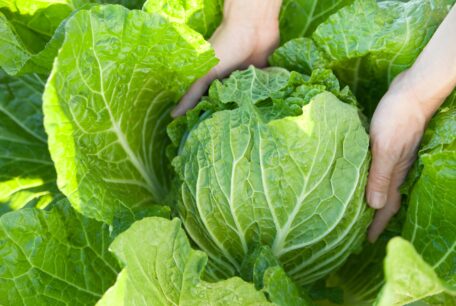
Seasonal Vegetables
Potatoes
Whole grains
Reduce reliance on:

Highly processed convenience foods

Air-freighted produce
Out-of-season vegetables grown in heated conditions
Resource-intensive crops
Common Myths about food and carbon footprints
Myth: All vegetarian foods are environmentally identical
Reality
Some plant foods have a much lower footprint than others.
Myth: Local food is always the most sustainable
Reality
Production methods often matter more than distance travelled.
Myth: Sustainable eating requires expensive ingredients
Reality
Many of the most climate-friendly foods are also some of the cheapest, including beans, lentils, oats and potatoes.
Your diet’s carbon footprint
The vegetarian foods with the lowest carbon footprints are often simple, everyday staples: beans, lentils, peas, potatoes, grains and seasonal vegetables. Choosing more of these foods can help reduce the environmental impact of your diet while providing affordable, nutritious meals. When it comes to climate-friendly eating, some of the planet’s best foods are already sitting in your kitchen cupboard. However, it is important to say that almost all vegetarian and vegan foods have a lower carbon footprint than meat equivalents.
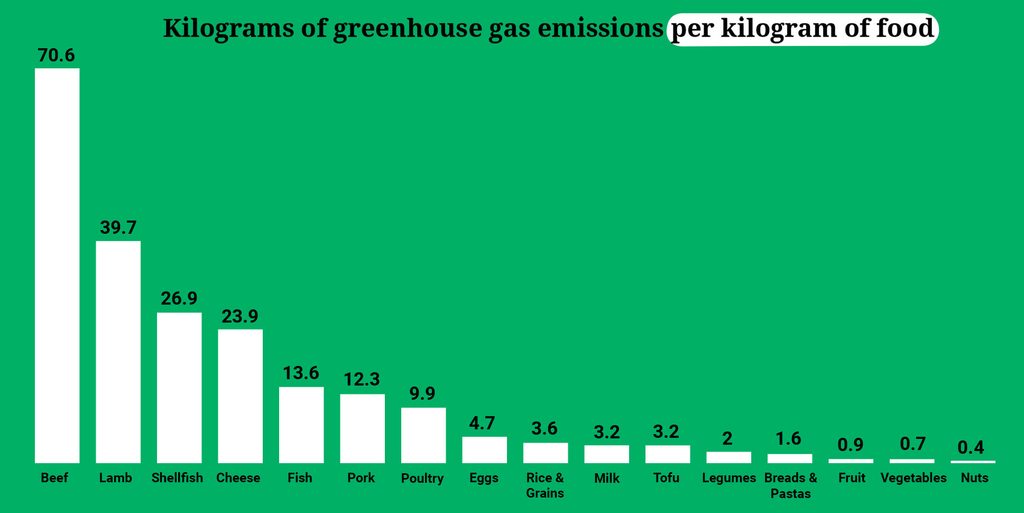
Source: https://www.un.org/en/climatechange/science/climate-issues/food



Lettuce Keep You in the Loop

We are a collective of determined people, connected by our shared belief in a better future for every life on earth. Keep up with our work and sign up to our newsletters...
Follow us on social