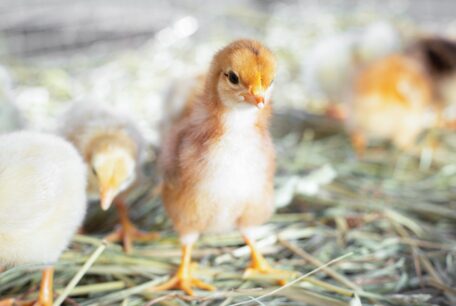
Sustainable alternatives to culled chicks as captive raptor and reptile feed
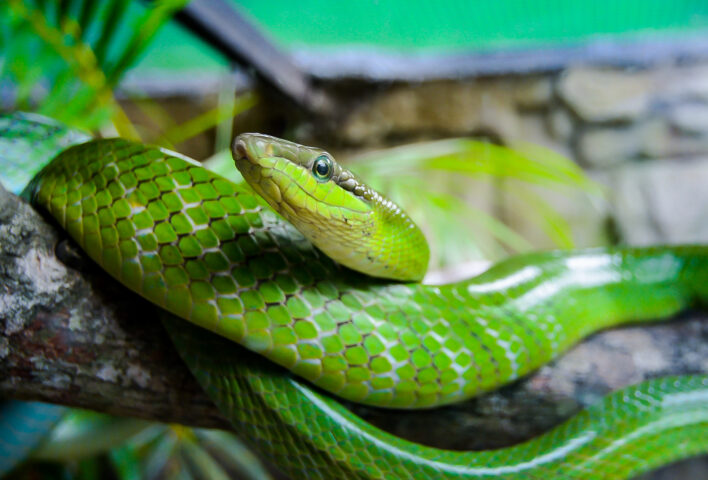
Currently, one of the major arguments used in favour of continuing the culling of male chicks is that their bodies can be fed to certain animals, including raptor birds, lizards and other reptiles. Recent research shows that this is not only unnecessary, but it can also prove actively detrimental to the health of these animals. It also encourages the continued killing of male chicks, despite popular support for an end to the practice.
The report, Sustainable Alternatives to Culled Chicks as Captive Raptor and Reptile Feed (2026), authored by Jenny L. Mace, animal welfare researcher and Visiting Scholar at the University of St Andrews, is an in-depth consideration of viable alternatives to feeding culled chicks to captive carnivorous animals.
1.Introduction: What is the problem?
It is estimated that around 45 million newly hatched male chicks are culled every year in the UK as they are of no value to the egg industry. This is a significant welfare issue. Technology now exists to determine the sex of the chick embryo whilst still in the egg and prior to the capacity for pain emerging.
2. Raptor and reptile behavioural/nutritional needs
Over the last 150 years, there has been a shift away from feeding raptors and carnivorous reptiles with processed meat or muscle meat and towards feeding these animals with whole prey, most commonly culled male chicks from the egg industry or rodents bred specifically for this purpose. The use of whole prey supposedly mimics feeding behaviour in the wild more closely.
3. Why are male newly hatched chicks favoured as the whole prey of choice?
Newly hatched chicks are often favoured due to a nutritional profile of high protein, low fat, good calcium (to phosphorus ratio), and multiple key vitamins. Chicks also boast widespread availability and very low cost. However, there are alternatives available.
4. Drawbacks of using culled male chicks
The low cost and widespread availability of newly hatched chicks to date leads to an overreliance on this one nutritional source. Over 50% of UK raptor keepers feed exclusively culled chicks to their raptors. This is against optimal nutrition advice, which asserts a range of whole prey species should be fed. Aside from the health implications, increasingly large proportions of the country disapprove of chick culling. The Vegetarian Society polled the public and found 76% would support a ban on male chick culling, even if it meant paying 1p extra per egg.
5. More sustainable alternatives to culled newly hatched male chicks as feed
The best current alternative is the use of whole-as-possible animal by-products (ABPs) from slaughterhouses. ABPs include casting (skin, blood, feathers, hair, wool, fur, bone, viscera, sinews, nails, specific body parts) in addition to meat unwanted by humans. This could make available a wider array of whole prey sources, and therefore a wider array of nutrients and forms of stimulation/enrichment for the raptors and reptiles, than is currently the case.
5.1. Feasibility tests
The report found that some feasibility enquiries have already been conducted. Contact with senior management staff at BIAZA (British and Irish Association of Zoos & Aquaria) has been positive. Successful contact has also been initiated with the British Pest Control Association (BPCA), who are keen to implement the idea from a sustainability perspective. Finally, a leading zoo avian vet, Dr Neil Forbes, has expressed support for the statement: ‘Quality assurance tests should commence regarding the most common animals (or parts thereof) that may be available as alternative whole feed for birds of prey to culled chicks. This will refine our understanding of the nutritional profile of alternative whole feeds and safeguard raptor health and welfare.’
6. Which other countries have banned chick culling?
Countries who have introduced legislation that bans the systematic culling of newly hatched male chicks from the egg industry include: Germany (first country, 2022, incubation day 13); France (2022, incubation day 15, animal feed exemptions); Italy (target of 2026); and Austria (2022, incubation day 14, animal feed exemptions).
7. Summary of proposed alternatives and areas requiring further inquiry
The report puts forward that the UK should lead the way with the most comprehensive legislative ban seen to date on the culling of newly hatched male chicks. The legislation (and/or accompanying legislation) should:
- Ban the culling of newly hatched male chicks.
- Ban the import of culled newly hatched male chicks.
- Ban the import of female chicks or eggs from countries without bans on male chick culling.
- Promote use of in-ovo sexing technology
- Wherever possible, incentivise the use of unprocessed slaughterhouse and hatchery ABPs alongside carcasses from ‘pest’ control and surplus non-GMO small animals from science. This will disincentivise displacement killing and optimise sustainability by first using animal carcasses already generated.
- Liaise with BIAZA nutritionists to help offer reassurances in regard to animal health.


Lettuce Keep You in the Loop

We are a collective of determined people, connected by our shared belief in a better future for every life on earth. Keep up with our work and sign up to our newsletters...
Follow us on social