Meeting Demand for Plant-Based Food in Catering
Consumer expectations around food are changing. Across schools, healthcare and hospitality, more people are actively choosing to reduce meat consumption and expect to see quality-led plant-based options available.
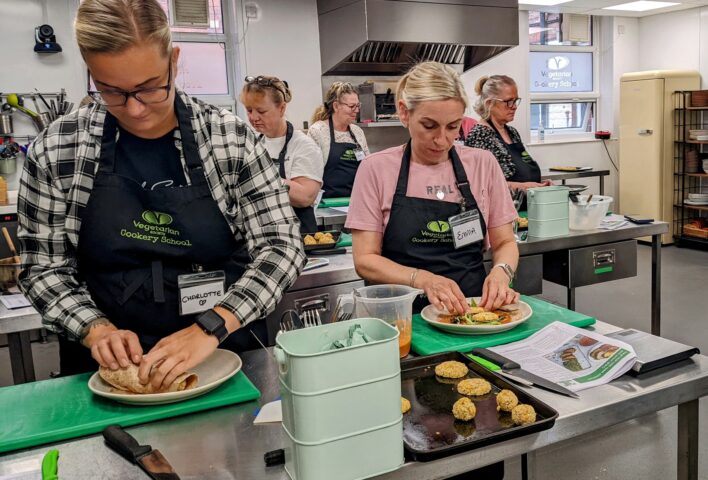
For catering teams, this is no longer just a tag on of 1 or 2 stock options. It is a practical question of how to design menus that meet evolving expectations, maintain uptake, stay competitive, and remain relevant to the people they serve.
At COOK! we support catering teams to translate this demand into menus that work in real environments, balancing customer expectations, operational realities and wider organisational goals.
Why Demand for Plant-Based Food is Growing
Dietary habits in the UK have shifted significantly in recent years.
Research from Mintel and Kantar shows that:
- A growing proportion of consumers identify as flexitarian, actively reducing their meat consumption
- Many people are open to choosing plant-based meals in everyday settings
- Food choices are increasingly influenced by health, environmental and ethical considerations
Research from Mintel and Kantar also indicates that plant-based options are now widely available across UK retail and foodservice, reflecting their move into the mainstream.
For catering teams, this means plant-based food is no longer a specialist dietary requirement, it is part of mainstream demand.
Changing Expectations in Catering Environments
As demand has grown, so too have expectations, across different catering settings:
- Customers increasingly expect vegetarian and vegan options to be available without special requests
- Mixed groups require menus that cater to a range of dietary preferences
- Plant-based dishes are expected to be equal in quality and appeal to other menu options
In practice, this means that the presence of plant-based dishes is no longer enough. How those dishes are designed and produced has a direct impact on uptake and satisfaction.
Why Getting It Right Matters
When plant-based menus are well designed, they can:
- Support higher uptake across a broader range of customers, decreasing wastage as a result
- Improve customer satisfaction and their perception of the catering offer
- Help meet organisational goals around sustainability and inclusion
However, when they are not:
- Dishes may be tried once and not chosen again
- Customers may feel their needs are not fully considered
- Catering teams can lose confidence in plant-based uptake leading to lack of motivation to develop dishes
From our experience, the difference between success and underperformance is rarely about intent, it is about how menus are designed and implemented.
Common Challenges in Meeting Demand
Even where there is clear demand, catering teams often face practical challenges.
Plant-based dishes don’t match expectations
Meals may be perceived as lighter, less satisfying or less appealing than other options.
Limited or token choice
Offering a single plant-based dish can restrict choice and reduce uptake.
Inconsistent delivery
Without the right skills and processes, quality can vary between teams or sites. These challenges are common, but they are also addressable with the right approach.
ready to review your menu?
If you’re looking to better meet demand and improve the performance of your plant-based offer, we can help.
FAQs
Why is demand for plant-based food increasing?
Research from Mintel and Kantar shows more consumers are reducing meat consumption for health, environmental and ethical reasons.
Do plant-based options increase uptake in catering?
They can, particularly when dishes are well designed, familiar and satisfying.
What makes a successful plant-based menu?
A successful menu balances flavour, structure, operational practicality and customer expectations

How Plant-Based Menus Reduce Environmental Impact
For catering teams in schools, healthcare and hospitality, food is one of the most powerful levers for change.

Plant-Based Menu Development for Catering Teams
Creating a successful plant-based menu in catering isn’t about removing meat or following trends. It’s about building dishes that work in real kitchens, day after day.
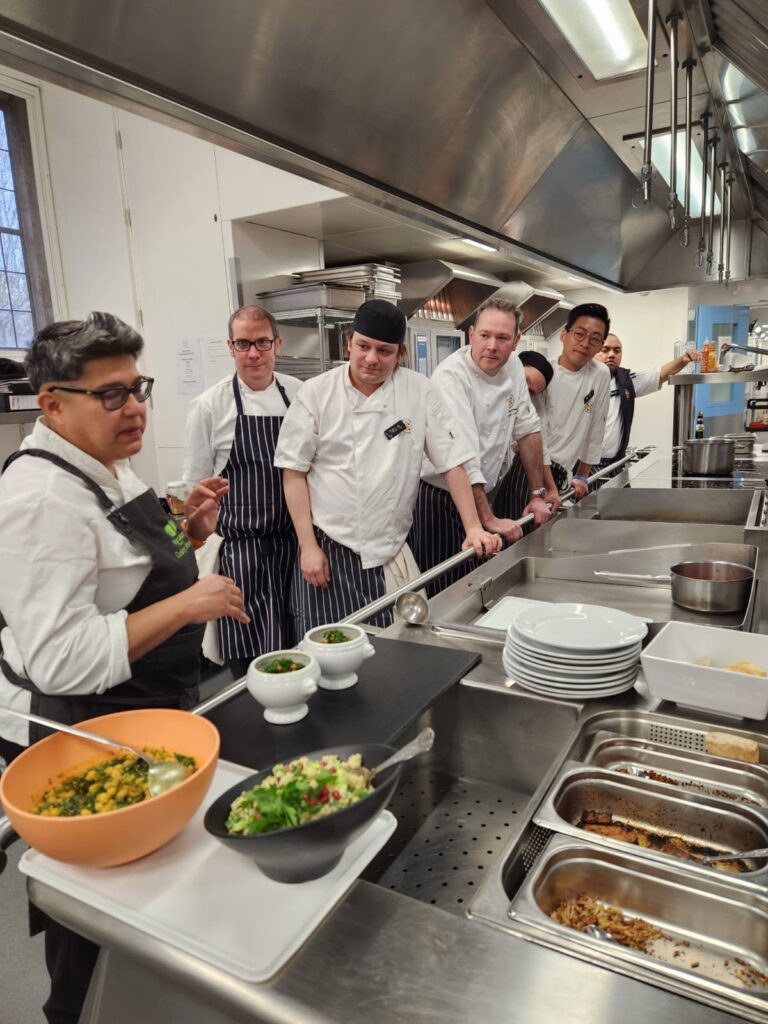
Ready to Develop Your Plant-Based Menu?
Building a successful plant-based menu takes more than good ideas, it requires the right structure, skills and confidence to deliver consistently in real kitchens. Our catering training programmes help teams turn these principles into practical, scalable menus that work day after day.
Lettuce Keep You in the Loop

We are a collective of determined people, connected by our shared belief in a better future for every life on earth. Keep up with our work and sign up to our newsletters...
Follow us on social