Seeing Animals, Choosing Plants
What happens if a University canteen doesn’t just label some options as vegetarian, but instead puts pictures of the living animal on the meat options? Do people choose to eat less meat?
At the Vegetarian Society, we are fully invested in encouraging the general public to eat less meat. Whether they are giving up entirely, or just reducing the amount they consume, we want everyone to lower their meat consumption.
A recent study by Siobhan Murray, Rose Meleady & Gordon Hodson at Brock University, St. Catharines, Ontario, Canada suggested that showing potential consumers the faces of living animals they might eat had a significant impact on the likelihood of those consumers choosing to do so.
The study introduced itself as follows:
‘Reducing meat consumption is a priority for reducing greenhouse gas emissions and mitigating the climate crisis.
Past research reveals that reminders of meat’s animal origins can reduce self-reported willingness to consume meat. Less clear is whether such reminders affect natural, real-world behavior.
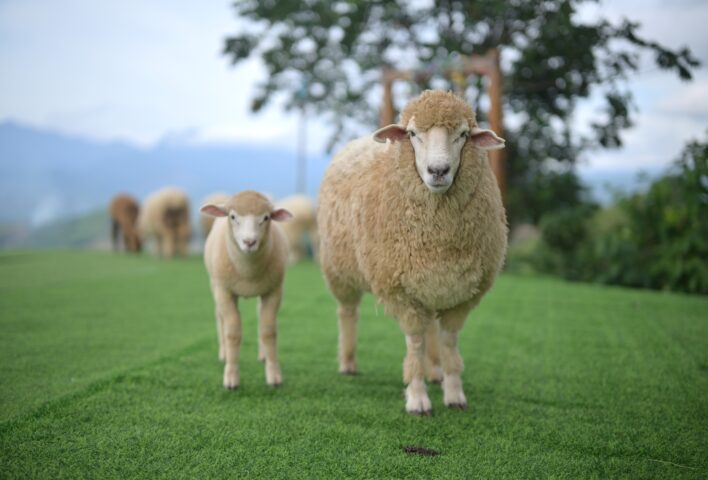
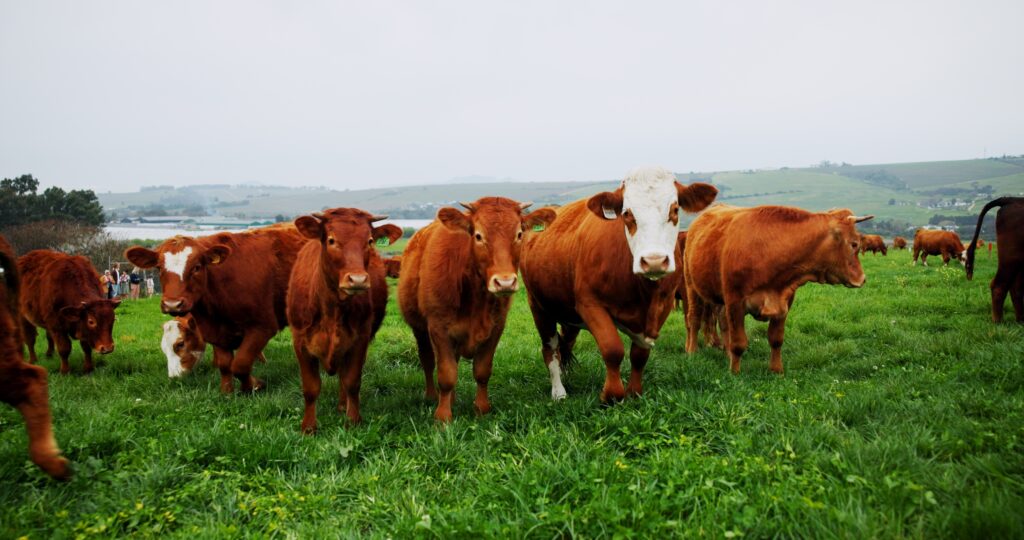
In the present field study, images of living animals were placed alongside the corresponding meat-based dishes on a cafeteria menu at a British university (e.g., a cow next to beef bolognese, a pig next to pork gyros, and a chicken next to sweet and sour chicken). Unobtrusive sales data were collected across two periods: a baseline period and an intervention period with a matched menu (without photos).
Analysis of 3,674 meal sales revealed a significant increase in vegetarian choices, with the odds of selecting a vegetarian meal 22% higher during the intervention (vs. baseline) period. Effects were consistent across meat types.
The present findings provide behavioural evidence that visual cues linking meat to its animal origins can influence real-world food choices, helping bridge the gap between laboratory research and applied behavioural evidence.’
The question now is whether this is an approach that all public facing caterers should offer. With support from Government and institutions, this sort of approach could lead to fewer people choosing meat options – better for their health, the environment and animals.
To learn more about how to eat less meat, check out our guide to eating veggie.

Lettuce Keep You in the Loop

We are a collective of determined people, connected by our shared belief in a better future for every life on earth. Keep up with our work and sign up to our newsletters...
Follow us on social